





What Is Luxury Furniture and Why It Matters
Luxury is often misunderstood as a matter of price or brand, yet true luxury furniture is defined by exceptional craftsmanship and individuality. For discerning British homeowners and interior designers, the difference lies in the artistry and premium materials that make each piece a unique, lasting investment. Artisanal craftsmanship and authentic design enrich homes far beyond what mass production can achieve, blending elegance with personal value for interiors that genuinely reflect your taste and aspirations.
Table of Contents
- Defining Luxury Furniture And Common Misconceptions
- Key Characteristics: Craftsmanship And Materials
- Popular Styles And Types For 2026
- Why Bespoke Furniture Elevates British Homes
- Investment Value, Pitfalls, And Authenticity
Key Takeaways
| Point | Details |
|---|---|
| True Luxury Furniture | Reflects artisanal craftsmanship, premium materials, and timeless design that outlasts trends. |
| Misconceptions of Luxury | Luxury is not solely defined by price or brand; it encompasses personal connection and authenticity. |
| Investment Value | Exceptional furniture can appreciate in value; focus on quality and craftsmanship over mere trendiness. |
| Bespoke Advantages | Custom pieces offer tailored benefits, supporting local craftsmanship and lasting durability, creating unique personal spaces. |
Defining Luxury Furniture and Common Misconceptions
Luxury furniture sits at the intersection of art, engineering, and personal expression. It’s not simply about paying more for a sofa or dining table. Rather, true luxury represents artisanal craftsmanship, premium materials, and timeless design that transcend the disposable nature of mass-produced goods. When you acquire a luxury piece, you’re investing in skilled work by master craftspeople who understand that every detail matters, from the way a drawer closes to how light reflects off a carefully selected veneer. These pieces demand years of training, refined techniques, and an unwavering commitment to quality that simply cannot be rushed or automated.
Here’s where misconceptions enter the picture. Many people conflate luxury with exclusivity based purely on price tags or brand recognition. They assume that if something costs more, it must be luxury. This couldn’t be further from the truth. Luxury is a multifaceted concept that varies by consumer, culture, and context, encompassing far more than what you pay at checkout. Real luxury embraces sensory experience, authenticity, and the personal connection you develop with a piece over years of use. A handcrafted chair from a bespoke maker in Manchester might offer greater luxury value than a mass-produced designer name you’ve seen in showrooms across the high street. The difference lies not in the label, but in how the piece was made, what materials comprise it, and whether it genuinely enhances your living environment.
Another widespread misconception suggests that luxury furniture must follow current trends or appear in glossy interiors magazines to be worthwhile. In reality, the opposite often holds true. Luxury pieces earn their status through timelessness rather than fashion. A beautifully upholstered wingback chair in neutral tones will serve your home with grace for decades, adapting to changing tastes whilst maintaining its inherent quality. The craftspeople who create these items think in generational terms, not seasonal ones. They consider how wood will age, how leather will patina, and how proportions will feel relevant when today’s trends fade into obscurity. When affluent homeowners and interior designers make informed purchasing decisions, they prioritise pieces that improve with age, tell a story through wear, and demonstrate genuine care in construction over pieces that merely look impressive in photographs.
Understanding these distinctions transforms how you approach furnishing your home. Luxury isn’t about ownership for display purposes; it’s about living well with objects that respect both your investment and your daily life.
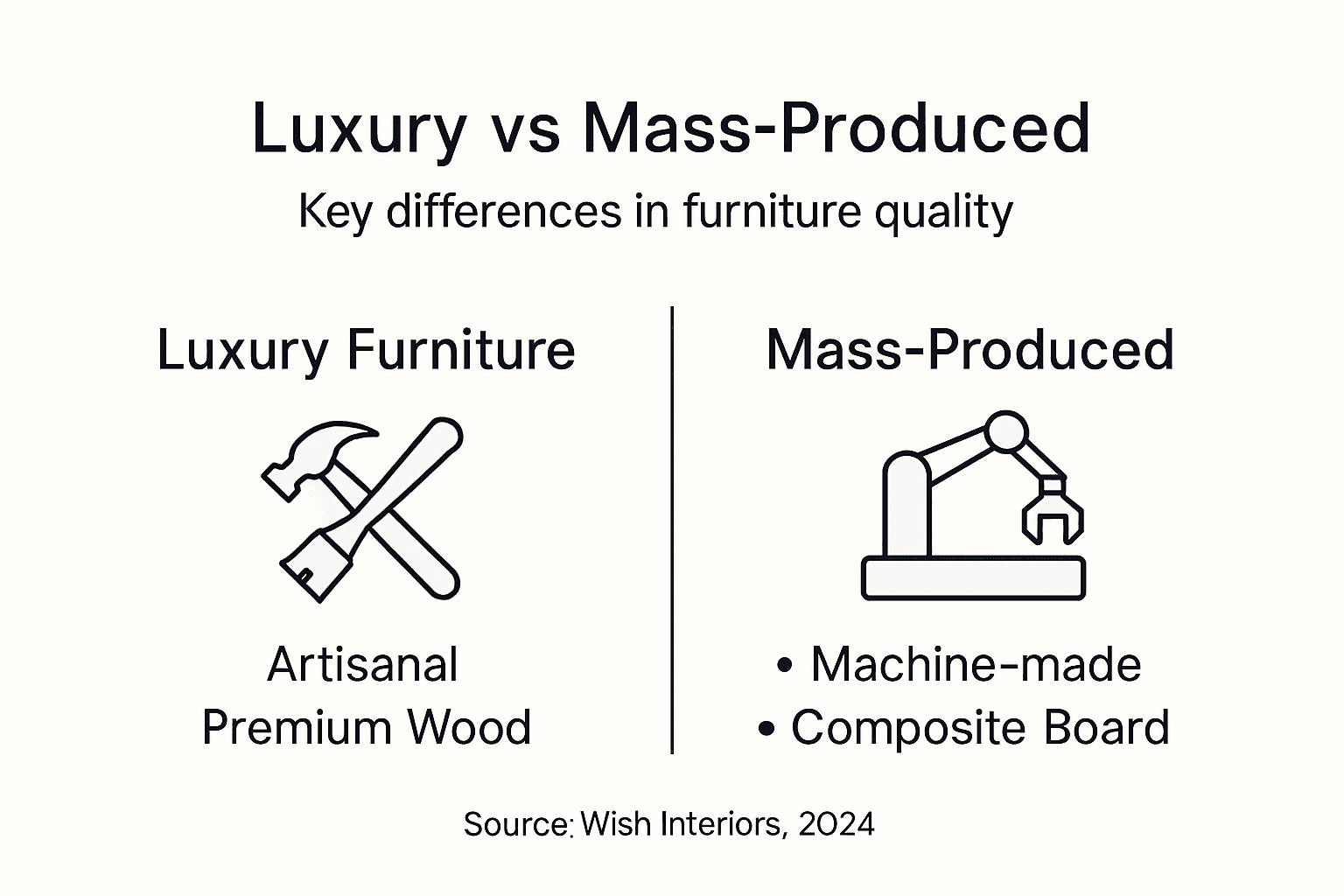
To clarify the main differences between luxury and mass-produced furniture, consider the comparison below:
| Aspect | Luxury Furniture | Mass-Produced Furniture |
|---|---|---|
| Craftsmanship | Handmade by skilled artisans | Assembled by machines or labour |
| Materials | Premium natural hardwoods, leather | Synthetic or low-grade wood |
| Design Longevity | Timeless, improves with age | Short-lived, trend-driven |
| Individuality | Unique and personalised pieces | Identical copies, no variation |
Pro tip: When evaluating a furniture piece, examine the joinery, test drawer mechanisms, and ask the maker about material sourcing and construction timelines; these details reveal far more about true quality than price alone.
Key Characteristics: Craftsmanship and Materials
Walk into any luxury furniture showroom and you’ll immediately sense the difference. Not from marketing materials or glossy branding, but from how the pieces feel beneath your fingertips. This tactile quality stems from refined traditional methods combined with expert skills. A master craftsperson doesn’t simply assemble components; they orchestrate a dialogue between material and intention. Consider a hand-stitched leather sofa versus a stapled frame covered in synthetic fabric. The leather piece requires knowledge accumulated over decades: understanding how hide behaves under tension, how thread must be pulled to create perfect tension without distorting the material, how joints must be reinforced precisely where stress concentrates. This isn’t learned from instructional videos. It’s transferred from master to apprentice through repetition, correction, and an almost obsessive attention to outcomes that few industries demand anymore.
Materials themselves tell the story of luxury. High-quality hardwoods such as walnut, oak, and cherry don’t simply look beautiful; they offer structural integrity that softwoods cannot match. When a craftsperson selects timber for a table frame, they consider wood movement, grain direction, and density in ways that industrial manufacturing skips entirely. They might spend hours selecting individual boards, rejecting pieces with hidden weaknesses invisible to untrained eyes. Similarly, leather sourcing reveals the gap between standard and luxury. A hide used in luxury furniture undergoes vegetable tanning, a process that takes months and produces leather that improves with age, developing character and patina. Mass-produced alternatives use chrome tanning, a faster method that creates uniform appearance but leaves material prone to cracking. The difference in longevity is measured in decades. A properly made leather chair can pass to your children and grandchildren. Mass-produced alternatives typically fail within five to ten years.
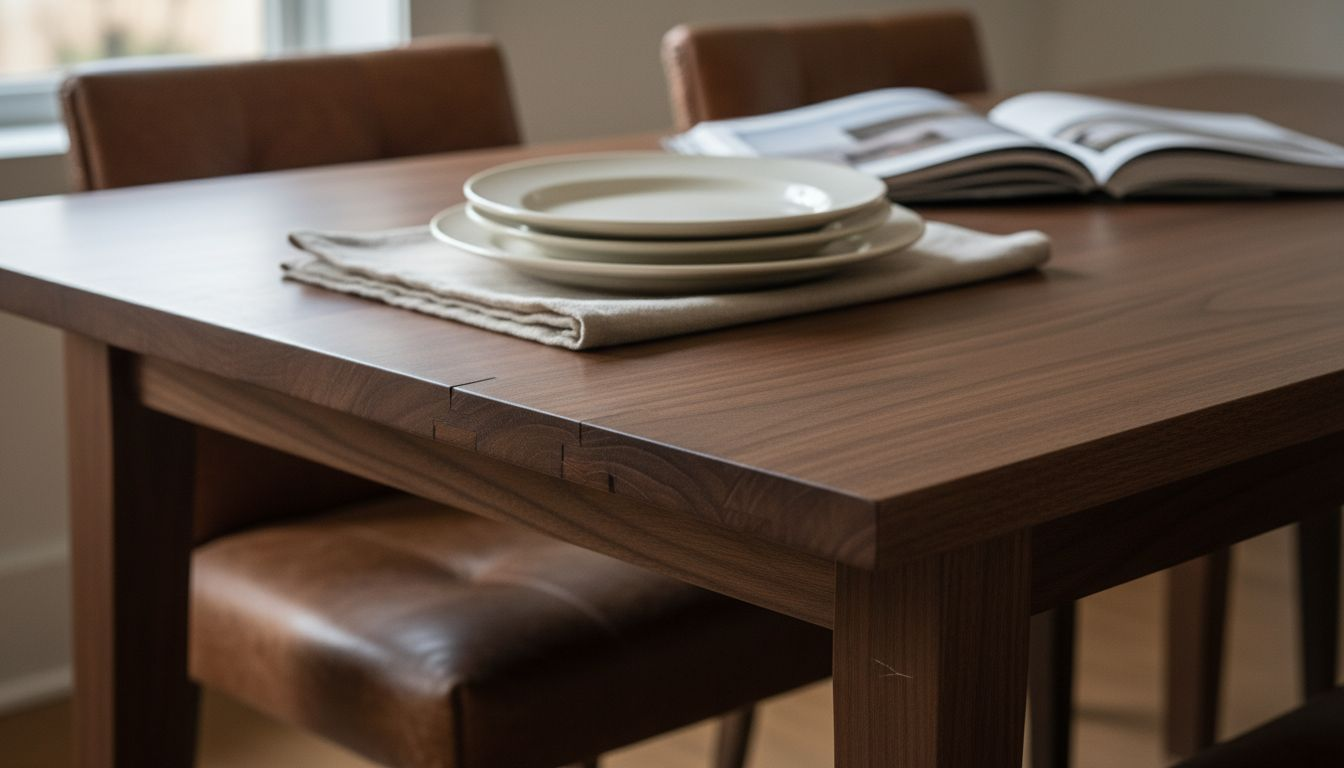
Beyond materials, the construction methods distinguish luxury from ordinary. Dovetail joints, mortise and tenon connections, and eight-way hand-tied springs represent techniques that take genuine training to execute well. These methods cost more because they require time and skill. Yet they also create furniture that responds to use rather than succumbing to it. A drawer with proper joinery slides smoothly after thirty years. Cushions with quality springs and natural fillings maintain their shape and support. Contrast this with stapled joints that separate, glued components that fail when adhesive breaks down, and particle board cores that crumble when exposed to moisture. When you examine a piece of luxury furniture, you’re really examining the craftsperson’s decisions accumulated across hundreds of hours. Each decision reflects either confidence born from mastery or compromise born from cost pressures.
The artisan’s individuality emerges through these choices. Two hand-carved chair backs, even when following the same design, will differ subtly. One craftsperson might emphasise flowing curves; another might prefer precise angles. This variation, often mistaken for inconsistency by those accustomed to industrial uniformity, actually signifies authentic creation. Your piece isn’t one of ten thousand identical copies. It’s unique. It carries the fingerprints of genuine human skill.
Pro tip: Request detailed information about joinery methods, wood species, and finishing processes before purchasing; craftspeople proud of their work welcome these questions and provide specific answers rather than vague marketing language.
Here’s a summary of key construction methods in luxury furniture and their practical impact:
| Method | Application | Advantage |
|---|---|---|
| Dovetail joints | Drawers, cabinet corners | Strength, durability |
| Mortise and tenon | Table and chair frames | Solid structural integrity |
| Hand-tied springs | Sofas, cushions | Lasting comfort, shape retention |
| Vegetable tanning | Leather upholstery | Ages beautifully, resists wear |
Popular Styles and Types for 2026
The luxury furniture landscape entering 2026 reflects a decisive shift away from cookie-cutter conformity. Gone are the days when wealthy homeowners simply selected from a predetermined palette of safe, neutral designs. Instead, furniture trends emphasise artistry, craftsmanship, and oversized sculptural forms that command attention and spark conversation. These aren’t pieces designed to blend into the background. They’re statement makers, conversation starters, objects that reflect who you are rather than what some algorithm suggests you should like. Think dramatically proportioned wingback chairs with unexpected upholstery textures, bespoke dining tables with sculptural wooden bases, and sectionals designed with curves and organic shapes rather than rigid right angles. This represents a fundamental rejection of minimalism’s stranglehold on affluent interiors. Your home doesn’t need to look like everyone else’s.
What’s driving this change is a renewed appreciation for pieces that feel authentically handmade. British interior designers increasingly champion work that bears the maker’s signature, sometimes quite literally. Visible joinery, exposed wood grain variations, and surfaces that show the chisel or saw marks of human creation are no longer hidden away; they’re celebrated. Data-driven comfort design plays an equally crucial role, meaning craftspeople now combine ergonomic research with aesthetic vision. A bespoke sofa isn’t just beautiful; it’s engineered to support your body in ways mass-produced alternatives never could. Tactile materials dominate this direction: natural linens that wrinkle and breathe, leather that develops a rich patina, wool that invites touch, stone tops with visible geological character. These materials demand maintenance and attention, but that’s precisely the point. They reward care with deepening beauty.
The palette for 2026 reflects this departure from sterility. Warm terracottas, deep ochres, rich burgundies, and sophisticated charcoals replace the endless grey that dominated the last decade. Wood tones vary deliberately, celebrating the natural variation inherent in timber rather than staining everything to uniform darkness. Metals shift too: brushed brass and copper replace cold chrome and polished steel. These choices signal comfort, warmth, and a willingness to embrace imperfection. Bespoke upholstery becomes increasingly important, with affluent clients commissioning custom pieces in heritage fabrics sourced from British mills and European workshops. Pattern, carefully considered and purposefully applied, returns as a legitimate design tool.
Specific typologies gaining momentum include modular seating systems designed for reconfiguration without looking obviously reconfigurable, statement lighting that functions as sculpture, and storage solutions that blur the line between functional cabinet and art installation. Coffee tables evolve beyond glass and chrome into substantial wooden structures or stone tops that anchor spaces. Bedroom furniture emphasises headboards as focal points, often featuring upholstery, carving, or architectural detailing that transforms a sleeping space into something genuinely personal. Dining tables shift from minimalist slabs toward designs featuring visible support structures, turned legs, or sculptural bases that celebrate how the piece stands rather than hiding its mechanics.
Interior designers working with affluent clients increasingly view furniture selection as an investment in longevity and personal expression rather than trend participation. This mindset allows for bolder choices because the question becomes not “Will this feel dated in two years?” but “Will this bring me joy for the next twenty years?” The answer often leads toward pieces that prioritise individual character over contemporary fashion.
Pro tip: Visit makers’ studios and showrooms in person to experience pieces at full scale; photographs cannot convey how oversized proportions or sculptural forms interact with your specific room dimensions and lighting conditions.
Why Bespoke Furniture Elevates British Homes
There’s a fundamental difference between furnishing a home and creating one that truly reflects who you are. Mass-produced furniture, regardless of price, arrives pre-designed by committees optimising for the widest possible appeal. Bespoke furniture, by contrast, begins with a conversation about your life. How do you actually use your living room? Do you entertain frequently or prefer intimate gatherings? What colours make you feel calm? What wood tones complement your existing architectural features? These questions form the foundation of bespoke British furniture that offers unmatched personalization, allowing craftspeople to design pieces that fit your space, style, and functional needs rather than forcing your life into predetermined dimensions. A sofa designed specifically for your sitting room won’t merely fit the space; it will occupy it with perfect proportion, accounting for window placement, door swings, and sightlines that only someone standing in your home can fully understand.
When you commission a bespoke piece, you’re investing in exclusivity that extends far beyond aesthetics. Your dining table won’t appear in someone else’s home next year because it was designed for your family’s specific needs and your room’s particular character. This exclusivity carries genuine value, both emotionally and practically. You’ll never scroll through interior design websites and spot your exact sofa in a stranger’s living room. More importantly, the craftsperson creating your piece invests genuine care because they’re solving a unique puzzle rather than executing the ten thousandth iteration of a standard design. That care manifests in details: perfectly weighted drawer slides, upholstery that responds to your specific sitting patterns, finishes chosen to complement your lighting conditions. British makers, working within a tradition stretching back centuries, understand these subtleties instinctively.
Beyond the personal dimension lies economic and cultural impact. Choosing bespoke British furniture supports local craftsmanship and the broader British economy. When you commission from a Yorkshire workshop or a London-based upholsterer, your money stays within communities built around furniture making. These aren’t faceless factories; they’re family businesses, training grounds for apprentices, repositories of techniques refined over generations. Your purchase directly enables makers to continue their work, to employ skilled workers, and to pass their knowledge to the next generation. This matters particularly in Britain, where furniture craftsmanship represents genuine heritage and cultural continuity. Supporting local makers isn’t merely a nice sentiment; it’s investing in the preservation of skills that take decades to develop fully.
Durability and longevity offer the most practical elevation bespoke furniture provides. Mass-produced pieces are engineered for obsolescence, designed to remain fashionable for a few seasons before requiring replacement. Bespoke work operates on different logic entirely. A properly commissioned piece should last decades, potentially outliving you and passing to your children. This durability stems not from expensive materials alone but from construction methods that prioritise longevity over cost-cutting. Eight-way hand-tied springs, mortise and tenon joinery, solid timber frames, and vegetable-tanned leather represent choices that cost more upfront but deliver returns measured in decades rather than years. When you calculate the per-year cost of a bespoke sofa lasting thirty years versus a mass-produced alternative lasting five, the economics become strikingly clear. You’re not paying more; you’re simply paying once.
The visual result speaks for itself. A room furnished with bespoke pieces feels fundamentally different from one filled with showroom selections. There’s coherence without monotony, intentionality without pretension. Each piece carries the narrative of its creation: the maker’s choices, the specific problem-solving that produced its final form, the acknowledgment that your home is unique and deserves furnishings equally singular. Your guests will notice this quality even if they cannot articulate precisely what they’re observing. They’ll sense confidence in your choices, comfort in your spaces, and a refusal to accept generic solutions to the deeply personal question of how to live well.
Pro tip: Commission bespoke pieces strategically by beginning with statement furniture such as sofas or dining tables that anchor rooms, then build around them with complementary pieces; this approach distributes investment over time whilst ensuring cohesive design.
Investment Value, Pitfalls, and Authenticity
Luxury furniture operates in a peculiar economic space. Unlike most consumer purchases that depreciate immediately upon acquisition, genuinely exceptional pieces often appreciate or at minimum retain their value. This potential for value retention attracts affluent homeowners who view furniture as more than ephemeral purchases. However, this investment appeal also creates a landscape rife with deception. Counterfeit luxury furniture undermines both sellers and consumers, flooding markets with convincing fakes that appear authentic to untrained eyes but lack the structural integrity and craftsmanship that justify premium pricing. A sofa with the right label but wrong construction will fail where a genuine piece thrives. This distinction matters enormously when you’re making a significant financial commitment.
What determines whether furniture functions as a genuine investment versus a depreciating asset comes down to specific criteria. Investment furniture demands superior craftsmanship, brand recognition, and rarity, not merely attractive design or current fashionability. A mid-century modern chair by a legendary designer with documented provenance will likely appreciate. A trendy contemporary sectional, regardless of initial cost, will depreciate once the trend passes. Timeless design matters more than contemporary appeal. Construction quality that improves with age beats superficial aesthetic refinement. Rarity and exclusivity hold value where mass-produced pieces do not. This means bespoke commissions often represent superior investments compared to limited-edition showroom pieces, because true one-off creation cannot be replicated. You own something that literally cannot be obtained again.
The pitfalls emerge when buyers conflate price with investment potential. Expensive doesn’t automatically mean valuable. A designer name attached to mediocre construction won’t appreciate. Trendy pieces that perfectly capture this moment will feel dated in five years. Superficial marketing, whether through influencer endorsements or prestigious showroom locations, doesn’t ensure durability or longevity. The critical mistake affluent buyers make involves purchasing based on brand recognition rather than examining the actual piece. Does the joinery withstand scrutiny? Are materials genuinely premium or merely marketed that way? Can you trace the maker’s history and reputation? Has this maker’s work historically appreciated in value? These questions matter far more than whether a famous designer name appears on the product.
Authenticity verification has become increasingly crucial as counterfeiting grows more sophisticated. Reliable provenance documentation, maker certification, and transparent purchase history form the foundation of authentic furniture investment. When acquiring significant pieces, especially those marketed as investment-grade, request detailed documentation: photographs of construction, maker signatures or stamps, sales receipts, and any previous ownership history. Professional appraisal by furniture specialists familiar with construction methods and materials adds another layer of verification. For high-value acquisitions, specialist authentication becomes worth the expense, protecting your investment and ensuring you’re not purchasing an expensive fake. When considering bespoke commissions, work exclusively with established makers with verifiable histories and client references. This eliminates counterfeit risk entirely whilst ensuring your piece genuinely represents the craftsmanship you’re paying for.
The reality is this: luxury furniture worth keeping tends to be furniture worth keeping because of how it makes you live, not merely because it might appreciate. The best investment pieces are those you’d be thrilled to use and enjoy for decades regardless of market value. When you commission a bespoke sofa from a respected British maker using vegetable-tanned leather and eight-way hand-tied springs, you’re acquiring something that will serve you beautifully for thirty years and then potentially be treasured by someone else for another thirty. That functional longevity combined with genuine craftsmanship creates value that transcends market fluctuation. Approach furniture investment with the same rigour you’d apply to any significant financial decision: verify authenticity, examine construction, research maker reputation, and ensure you’re paying for genuine quality rather than marketing.
Pro tip: Request detailed maker documentation, construction photographs, and material specifications before purchasing investment-grade furniture; legitimate craftspeople welcome these requests because transparency demonstrates confidence in their work.
Discover True Luxury Furniture Tailored for Your Home
Understanding what makes furniture genuinely luxurious can transform how you furnish your living spaces. The article highlights that authentic luxury furniture is about artisanal craftsmanship, premium materials, timeless design, and personal connection rather than simply a high price or brand name. If you seek furniture that truly respects your investment and enriches your daily life with unique, bespoke pieces crafted to last generations, it is essential to choose wisely and embrace authenticity.
At WISH Interiors, we specialise in bringing to life luxury furniture and homeware that embodies these exact values. Our on-trend luxury collections and bespoke British furniture solutions allow you to invest in pieces that prioritise craftsmanship, material quality, and individual expression. We invite you to explore our carefully curated bespoke options that stand apart from mass-produced offerings.
Elevate your home with furniture designed specifically for your lifestyle and space. Experience the difference of investing in authentic luxury with WISH Interiors. Start your journey today by visiting our website and discovering bespoke furniture that truly matters.
Frequently Asked Questions
What defines luxury furniture?
Luxury furniture is defined by artisanal craftsmanship, premium materials, and timeless design that focus on quality and individual expression rather than mass production. It represents an investment in detailed work by skilled artisans who have a deep understanding of materials and craftsmanship.
How does luxury furniture differ from mass-produced furniture?
Luxury furniture differs from mass-produced furniture in terms of craftsmanship, materials, and design longevity. Luxury pieces are handmade by artisans using premium materials, whereas mass-produced furniture is typically made using low-grade materials and assembly-line techniques, resulting in less durability and individuality.
Why is craftsmanship important in luxury furniture?
Craftsmanship is crucial in luxury furniture because it ensures the quality and longevity of the piece. Skilled artisans use traditional techniques that enhance the structural integrity and aesthetic appeal, creating items that last for generations as opposed to mass-produced alternatives that may wear out quickly.
What are the benefits of investing in bespoke furniture?
Investing in bespoke furniture allows for a high degree of personalization tailored to your specific needs and preferences, ensuring a perfect fit in your home. Additionally, bespoke pieces often retain or appreciate in value over time due to their unique craftsmanship and rarity, providing a lasting investment rather than a disposable purchase.
Recommended
Sample Image Gallery


