





Why Luxury Furniture Brands Are Worth It
Selecting luxury furniture is no longer about flaunting a price tag, but about seeking excellence, uniqueness, and craftsmanship that enhances every corner of your home. For discerning British homeowners, luxury brands now unite timeless heritage with new expectations around sustainability, personalisation, and innovative design. This article gives you the insight to distinguish brands that offer genuine artistry and exclusivity, helping you invest in pieces that express your individuality and bring long-term value to your interiors.
Table of Contents
- Defining Luxury Furniture Brands Today
- Distinguishing Features and Craftsmanship
- Types of Luxury and Bespoke Furniture
- How Personalisation Elevates Interiors
- Long-Term Value, Costs and Investment
- Choosing Between Luxury and Mainstream Brands
Key Takeaways
| Point | Details |
|---|---|
| Modern Luxury Redefined | Luxury furniture today combines craftsmanship with sustainability, responding to evolving consumer expectations and market dynamics. |
| Commitment to Quality | Distinguishing genuine luxury from mass-produced alternatives lies in the use of premium materials and meticulous artisanal craftsmanship. |
| Bespoke Personalisation | Customisation in luxury furniture allows for tailored solutions that reflect personal style and address specific functional needs. |
| Long-Term Value | Investing in luxury furniture is not only about initial costs but also potential longevity, aesthetic appreciation, and reduced replacement frequency over time. |
Defining Luxury Furniture Brands Today
Luxury furniture brands today represent far more than simply expensive pieces with premium price tags. Modern luxury is built on a foundation of excellence, uniqueness, and craftsmanship, yet it has evolved significantly from its historical roots. Whilst luxury has traditionally connected to exclusivity, craftsmanship, and heritage, contemporary luxury furniture brands now balance these timeless values with responsiveness to today’s market realities. Affluent homeowners like yourself recognise that true luxury furniture brands demonstrate their worth through exceptional quality, distinctive design, and a commitment to evolving with societal expectations around sustainability and innovation.
What distinguishes luxury furniture brands in today’s market is their pluralistic approach to value creation. Brands no longer rely solely on heritage and tradition to justify their premium positioning. Instead, the modern definition of luxury incorporates provider, consumer, and co-creation perspectives, meaning brands actively engage with their clientele to understand evolving preferences. A luxury furniture brand worth investing in demonstrates cultural awareness by addressing global market dynamics whilst maintaining the artisanal integrity that defines their brand identity. These brands invest in understanding how their pieces fit into contemporary homes, consider environmental responsibility throughout their production processes, and integrate thoughtful design elements that resonate with discerning customers. When you select bespoke luxury furniture, you’re choosing from brands that have proven their adaptability without compromising on the core values that made them desirable in the first place.
The real distinction between ordinary premium furniture and genuine luxury lies in the brand’s commitment to relevance amid changing economic and cultural conditions. Authentic luxury furniture brands maintain their appeal through consistent innovation, transparent craftsmanship, and a willingness to address contemporary concerns such as sustainable sourcing and ethical production. British and European luxury furniture makers, for instance, often showcase precisely this balance—honouring design traditions whilst incorporating modern manufacturing techniques and environmentally conscious materials. These brands understand that your investment in luxury furniture reflects your personal values, aesthetic sensibilities, and desire for pieces that will endure both stylistically and physically. The premium you pay for a luxury furniture brand encompasses not just the object itself, but the brand’s demonstrated ability to preserve its heritage whilst remaining genuinely relevant to how you live today.
Pro tip: When evaluating luxury furniture brands, research how they communicate their production processes and material sourcing—transparent brands that openly discuss their craftsmanship and sustainability practices typically deliver stronger value and longevity than those relying solely on heritage mystique.
Distinguishing Features and Craftsmanship
What separates a luxury furniture piece from the mass-produced alternatives sitting in high street showrooms comes down to fundamentals: materials, construction, and the human expertise invested in every detail. Luxury furniture brands distinguish themselves through high-quality, premium materials and meticulous craftsmanship, creating pieces that transcend temporary trends. When you invest in luxury furniture, you’re acquiring something built to outlast fashion cycles and casual wear. The artisanal methods employed by genuine luxury makers combine traditional hand-labour techniques with contemporary design sensibilities, resulting in furniture that feels substantial, performs beautifully, and ages gracefully. This isn’t simply about aesthetics—it’s about how a piece actually behaves in your home across decades of use.
The material choices alone tell you whether you’re looking at genuine luxury or merely expensive furniture. Premium hardwoods like walnut, oak, and cherry form the foundation of quality pieces, selected for their grain character and stability rather than cost efficiency. Natural wood, high-grade leather, and quality metals are hallmarks of luxury furniture, each chosen for both performance and longevity. A luxury sofa, for instance, features eight-way hand-tied springs rather than sintered foam, leather that develops patina and character rather than plastic coatings that crack after a few years, and hardwood frames constructed with mortise and tenon joinery instead of staples and glue. Contemporary luxury brands increasingly incorporate sustainable sourcing practices and ergonomic design principles, recognising that discerning customers expect both comfort and environmental responsibility. The integration of smart technology—like integrated USB charging ports or adaptive lighting—demonstrates how modern luxury combines functionality with refinement.
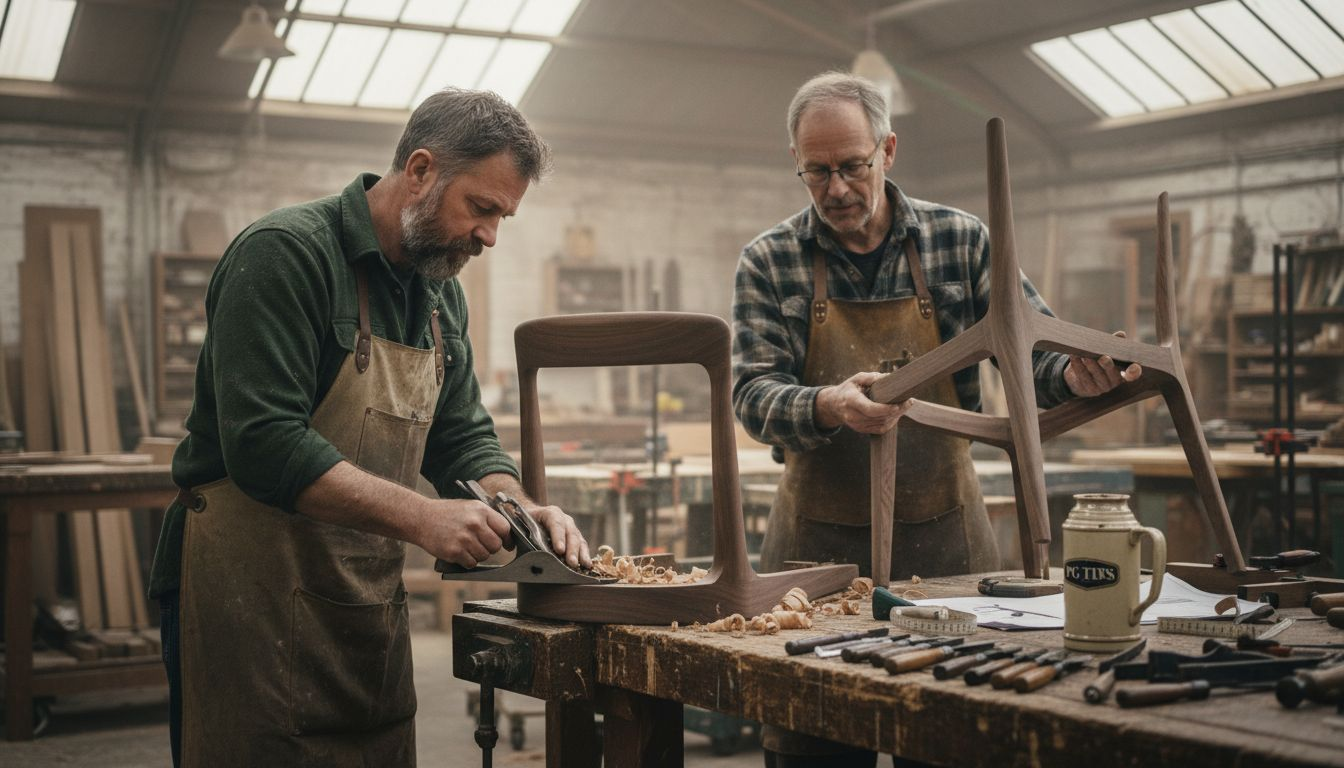
Craftsmanship in luxury furniture represents an investment in human skill that cannot be automated away. Each piece requires individual attention during construction, finishing, and quality control. You’ll find artisans spending hours perfecting wood grain alignment in veneers, hand-stitching leather details, or applying multiple coats of finish to achieve depth and durability. This labour-intensive approach is precisely why luxury pieces command premium prices, but it’s also why they become treasured heirlooms rather than disposable purchases. When evaluating luxury furniture brands, examine their production transparency—genuine makers proudly document their processes because they understand that understanding the craftsmanship behind a piece enhances appreciation for it. The exclusivity of luxury furniture stems naturally from this approach; each piece becomes a long-term investment reflecting your commitment to quality and thoughtful living.
Pro tip: Request detailed information about material sourcing, joinery methods, and finishing processes before purchasing—luxury brands that openly explain their construction techniques demonstrate confidence in their quality and help you understand precisely what justifies the investment.
Types of Luxury and Bespoke Furniture
Luxury furniture encompasses far more variety than many homeowners realise, ranging from ready-made statement pieces to entirely custom creations designed specifically for your space. The market segments into distinct categories, each serving different needs and preferences. Residential luxury furniture forms the core of what most affluent homeowners invest in, featuring high-end sofas, dining tables, and bedroom suites crafted from premium materials. Beyond residential applications, luxury brands also serve the hospitality and commercial sectors, where designers create collections for five-star hotels, private clubs, and corporate headquarters. This diversity means that luxury craftsmanship principles transcend domestic settings—the same attention to detail and material quality that defines a bespoke dining table equally applies to a custom installation in a Mayfair penthouse or a luxury hotel lobby.
Bespoke and personalised designs have become increasingly central to luxury market trends, representing a fundamental shift away from buying off-the-peg collections. Bespoke furniture means made-to-order pieces tailored explicitly to your specifications, spatial requirements, and aesthetic vision. Rather than compromising on dimensions to fit a standard sofa into your sitting room, bespoke allows you to specify exact measurements, fabric selections, leg styles, and internal construction details. Contemporary luxury makers blend traditional craftsmanship with innovative design, meaning your bespoke piece might feature hand-stitched details combined with the latest ergonomic research or sustainable material innovations. This approach fulfils complex demands across different regional and cultural variations—a British homeowner’s bespoke commission looks fundamentally different from a Scandinavian or Continental European equivalent, reflecting local design sensibilities and spatial considerations.
Within the bespoke and luxury category, you’ll encounter statement pieces designed to become focal points in any interior. These bold, artistic creations prioritise visual impact and often serve simultaneously as functional furniture and sculpture. Multifunctional luxury pieces address modern living requirements, combining storage, seating, and display functions without sacrificing aesthetic refinement. An increasingly popular trend involves limited-edition collaborations between furniture makers and fashion designers, producing exclusive collections where design expertise from haute couture translates into furniture that feels couture-level in finish and conceptual boldness. Some collections feature only fifty pieces worldwide, making ownership genuinely exclusive. The luxury bespoke market also accommodates those seeking personalised design featuring premium materials and artistic expression, where every element—from leather selection to hand-carved wooden details—reflects individual taste and becomes inseparable from the homeowner’s personal narrative.
Pro tip: When considering bespoke furniture, request samples of materials, joinery options, and finish variations before finalising your design—luxury makers typically provide these resources to ensure your final piece exceeds expectations and reflects your exact vision.
How Personalisation Elevates Interiors
The difference between a beautifully decorated room and a space that genuinely resonates with you comes down to one fundamental element: personalisation. When you invest in luxury furniture, you’re not simply purchasing objects—you’re curating an environment that reflects who you are and how you actually live. Personalisation enhances interior design by creating spaces that reflect individual style, lifestyle, and functional needs, moving beyond generic design templates into something altogether more meaningful. A bespoke sofa isn’t just a seating surface; it becomes the centrepiece around which your entire living experience unfolds. The ability to customise materials, finishes, and structural design means you’re solving specific challenges in your home—perhaps you need deeper seating for relaxation, a particular fabric that resists wear from family pets, or dimensions that fit your architectural quirks perfectly. This level of tailored consideration sets luxury interiors apart from standard design solutions because the furniture actually works for you rather than forcing you to work around compromised choices.
When personalisation extends throughout an interior, it creates a cohesive narrative that department store collections simply cannot achieve. Imagine walking into your sitting room and seeing a bespoke coffee table constructed from reclaimed walnut, paired with custom upholstery in a specific linen shade you selected, complemented by a lighting installation you designed with the maker. Each piece connects intentionally rather than representing a collection of random purchases. Bespoke pieces integrate seamlessly with your decor’s theme whilst addressing your ergonomic and aesthetic preferences, creating visual harmony and functional excellence simultaneously. This approach transforms your home from merely attractive into deeply personal. The exclusivity of ownership matters here too—when you commission bespoke pieces, you’re the only person in your social circle with that exact configuration. You’re not following a design trend; you’re defining one.
Beyond aesthetics, personalisation profoundly impacts how comfortable and functional your space becomes. A luxury dining table designed specifically for your household considers your preferred seating capacity, the dimensions your tableware requires, and the finish that withstands your family’s lifestyle. Ergonomic considerations that generic furniture overlooks—armrest height, seat depth, lumbar support—become integral to the design process. When personalised furniture contributes to the overall luxury atmosphere whilst ensuring practicality and elegance align with your requirements, you’re not compromising between beautiful and functional. You’re achieving both simultaneously. This sense of identity and exclusivity transforms ownership from acquiring possessions into building a home that authentically expresses your values, taste, and lifestyle aspirations. The investment proves worthwhile because the pieces continue delivering both beauty and functionality for decades, growing more cherished as they age.
The following table summarises how personalisation transforms an interior space:
| Personalisation Aspect | Impact on Living Space | Long-Term Benefit |
|---|---|---|
| Bespoke Sizing & Detailing | Optimises fit and functionality | Enhanced comfort and utility |
| Material and Finish Choice | Matches unique aesthetic preferences | Timeless and cohesive look |
| Integration with Decor | Ensures harmonious design flow | Elevated daily enjoyment |
| Ergonomic Adaptation | Addresses user needs and lifestyle | Sustained physical well-being |
Pro tip: When beginning a personalisation project, gather inspiration from various sources—interior publications, social media, showrooms—then present these examples alongside your lifestyle requirements to your luxury furniture designer, who can synthesise your vision into bespoke pieces that feel uniquely yours.
Long-Term Value, Costs and Investment
The sticker shock of luxury furniture is real. A bespoke sofa can easily exceed £8,000, a custom dining table might reach £12,000, and a statement bedroom set can represent a five-figure commitment. Yet this initial cost tells only half the story. Investing in luxury furniture is justified by its enduring value through superior quality, timeless design, and emotional significance, transforming what appears expensive into what proves economical over decades of ownership. Consider the mathematics: a mass-produced sofa costing £2,500 that requires replacement within eight years ultimately costs you £312 annually. A luxury piece costing £8,000 that remains beautiful and functional for thirty years costs approximately £267 annually. The luxury investment actually delivers better value, and that calculation ignores the aesthetic pleasure and personal satisfaction you experience throughout those years. Premium materials like eight-way hand-tied springs, high-grade leather, and solid hardwood frames don’t deteriorate the way cheaper alternatives do. They age gracefully, developing character rather than showing wear.
What distinguishes luxury furniture investment from other purchases is appreciation potential and value retention. Mass-produced furniture depreciates immediately—a sofa loses 40 to 50 percent of its value the moment you take delivery. Luxury pieces, particularly bespoke or limited-edition designs, often hold their value or appreciate modestly over time. A handcrafted Victorian-inspired dining table by a renowned maker becomes more desirable as the maker’s reputation grows and similar pieces become harder to find. Heritage brands with established provenance create pieces that develop investment credentials similar to fine art or vintage fashion. Whilst you shouldn’t purchase luxury furniture expecting financial returns, the value retention means your investment doesn’t simply vanish. Luxury furniture products offer longevity, sustained aesthetic appeal, and potential for value retention or appreciation, qualifying them as tangible investments in quality and lifestyle enhancement rather than consumables destined for landfill within a decade.
The real value calculation extends beyond pure cost per year of ownership. Luxury pieces reduce decision fatigue because you’re not continually shopping to replace worn items. You avoid the emotional exhaustion of repeatedly furnishing and refurnishing your home. Quality pieces adapt to your evolving style—a beautifully crafted neutral sofa transitions seamlessly through design trends because its construction excellence transcends fashion. Legacy value matters profoundly for affluent homeowners. A bespoke dining table your children inherit becomes a family anchor, a piece they’ll treasure and eventually pass to their own children. This emotional and relational value defies quantification on a spreadsheet, yet it represents the truest measure of investment worth. Additionally, living surrounded by pieces you genuinely love—objects crafted specifically for you rather than compromises from limited stock—fundamentally enhances daily life quality in ways that justify premium investment for those who can afford it.
Pro tip: When evaluating luxury furniture costs, compare total cost of ownership across fifteen to twenty years rather than focusing on upfront price, and prioritise timeless designs over trendy styles to ensure your investment remains aesthetically relevant throughout its ownership lifespan.
Choosing Between Luxury and Mainstream Brands
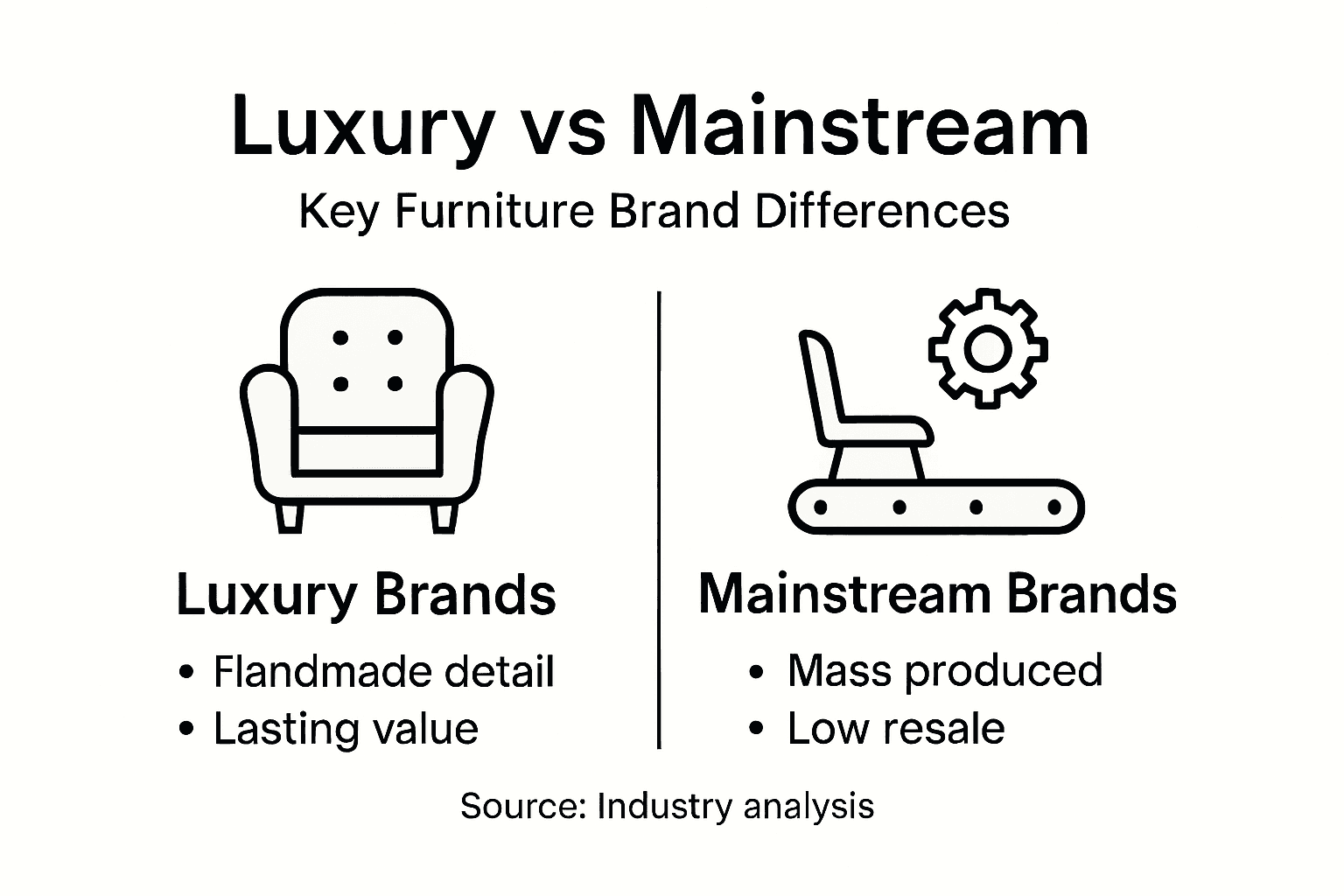
The decision between luxury and mainstream furniture brands isn’t simply about budget constraints. It’s fundamentally about what you prioritise in your home and how you want to experience your living space. Mainstream furniture brands excel at democratising design, offering contemporary styles at accessible price points. You can furnish an entire home within months rather than years, and replacements feel manageable financially when trends shift. Yet this accessibility comes with trade-offs that become apparent over time. Mass-produced pieces typically feature particleboard frames, sintered foam cushioning, and veneers that chip or peel within a few years. When you purchase mainstream furniture, you’re making an implicit choice to replace it regularly. Choosing luxury over mainstream involves weighing quality, exclusivity, brand heritage, and long-term value against mainstream affordability and accessibility, forcing honest reflection about your actual priorities and lifestyle requirements. The question isn’t whether luxury or mainstream is objectively better—it’s whether you’re willing to invest significantly upfront to avoid repeated replacement cycles and constant shopping decisions.
Luxury brands operate on fundamentally different principles. Limited production runs ensure exclusivity—you won’t see your exact sofa in three other homes on your street. Luxury furniture appeals to buyers seeking distinction and longevity, often customised with artisanal detail, meaning your investment reflects deliberate choice rather than convenience. Luxury makers maintain direct relationships with clients, understanding your specific needs and adapting designs accordingly. They invest in heritage and brand reputation because their business model depends on long-term prestige rather than volume turnover. Mainstream brands, conversely, must optimise for cost efficiency and rapid production. A designer working for a high-street retailer faces pressure to produce affordable designs quickly. A luxury craftsperson can spend weeks perfecting joinery details or hand-finishing surfaces because that craftsmanship defines the brand’s market position.
The practical decision hinges on honest self-assessment. Ask yourself: Will you still love this piece in ten years? Can you afford replacement if it fails prematurely? Do you value visual distinction or comfort with conformity? Will you feel frustrated replacing furniture repeatedly, or does variety energise you? Affluent homeowners often discover that mixing both approaches works well—luxury investment pieces in rooms you use daily and see constantly, mainstream options for guest rooms or seasonal furniture. However, most discerning homeowners eventually gravitate toward luxury for key pieces like sofas, beds, and dining tables—the items that anchor your daily living experience. These pieces deserve better materials, superior construction, and personalisation that reflects how you actually live. Secondary pieces like accent chairs or console tables might reasonably come from mainstream brands without compromising your overall interior quality. The trade-offs involve balancing price sensitivity with expectations for design innovation, material quality, and personalised customer experience, requiring honest evaluation of where your true priorities lie.
Pro tip: Invest in luxury furniture for pieces you use constantly and see daily, whilst accepting mainstream options for occasional-use items or rooms you visit infrequently, creating a strategic blend that maximises satisfaction whilst respecting your overall budget.
Here is a comparison of the factors influencing value in luxury furniture versus mainstream alternatives:
| Key Factor | Luxury Brands Focus | Mainstream Brands Focus |
|---|---|---|
| Material Selection | Highest quality hardwoods, leathers, and metals | Engineered wood, lower-grade fabrics |
| Craftsmanship | Hand-finishing and artisan techniques | Automated mass production |
| Personalisation | Complete customisation possible | Standardised options only |
| Value Over Time | Retains or appreciates in value | Rapid depreciation post-purchase |
| Sustainability | Emphasis on transparent ethical practices | Prioritises cost and speed |
Discover the True Value of Bespoke Luxury Furniture for Your Home
The challenge many homeowners face today is finding furniture that genuinely reflects personal style while offering lasting quality and comfort. This article highlights how luxury furniture brands blend craftsmanship, sustainable sourcing, and bespoke design to create heirloom pieces that truly elevate interiors. If you want to avoid the disappointment of replacing mass-produced items and instead invest in timeless and highly personalised furniture, understanding these core values is essential.
Explore our bespoke furniture collection for pieces crafted with exceptional materials and artisan expertise.
Embrace the opportunity to transform your living spaces with furniture that fits your unique lifestyle and aesthetic sensibilities. Visit Wish Interiors today to discover on trend luxury furniture and homeware that delivers enduring elegance and comfort. Begin your journey toward a home that speaks your personal story—act now to create interiors that last a lifetime.
Frequently Asked Questions
What makes luxury furniture worth the investment?
Luxury furniture is worth the investment due to its superior quality, craftsmanship, and timeless design that outlasts trends. These pieces are often made from high-grade materials and offer personalised options, ensuring long-lasting value.
How does the material quality of luxury furniture compare to mainstream options?
Luxury furniture typically features premium materials such as hardwoods and high-grade leathers, whereas mainstream options often use lower-quality materials and engineered wood, compromising durability and aesthetics over time.
What role does craftsmanship play in luxury furniture?
Craftsmanship is crucial in luxury furniture, as artisans use traditional techniques and meticulous attention to detail during construction, ensuring each piece is a unique work of art that enhances durability and visual appeal.
How does personalisation enhance the value of luxury furniture?
Personalisation allows homeowners to create bespoke pieces tailored to their specific needs and tastes, resulting in furniture that not only matches their decor but also serves practical functions, adding intrinsic value and a sense of connection to the piece.
Recommended
- Dan Gold Furniture Range – Wish Interiors
- Luxor Recycled Wood Rectangular Wall Mirror – Wish Interiors
- Winter Home Interiors – Wish Interiors
- Modello Framed Botanical Wall Art – Wish Interiors
- Best Plush Robes for Women – Expert Comparison 2025 – Lotus Linen
- Art That Tells a Brand Story | FrameTheWorld
Sample Image Gallery


