





Furniture Trends: Elevating Bespoke Luxury Projects
Finding the perfect balance between timeless elegance and modern innovation can often challenge even the most experienced British designers. As expectations shift towards eco-friendly materials, technology integration, and bespoke artistry, staying updated with the latest trends is crucial for enhancing exclusive residential spaces. This guide highlights key influences such as sculptural shapes, multifunctional designs, and the rise of quiet luxury, empowering you to create interiors that are both sophisticated and uniquely contemporary.
Table of Contents
- Defining Furniture Trends In Luxury Interiors
- Types Of Contemporary Furniture Trends
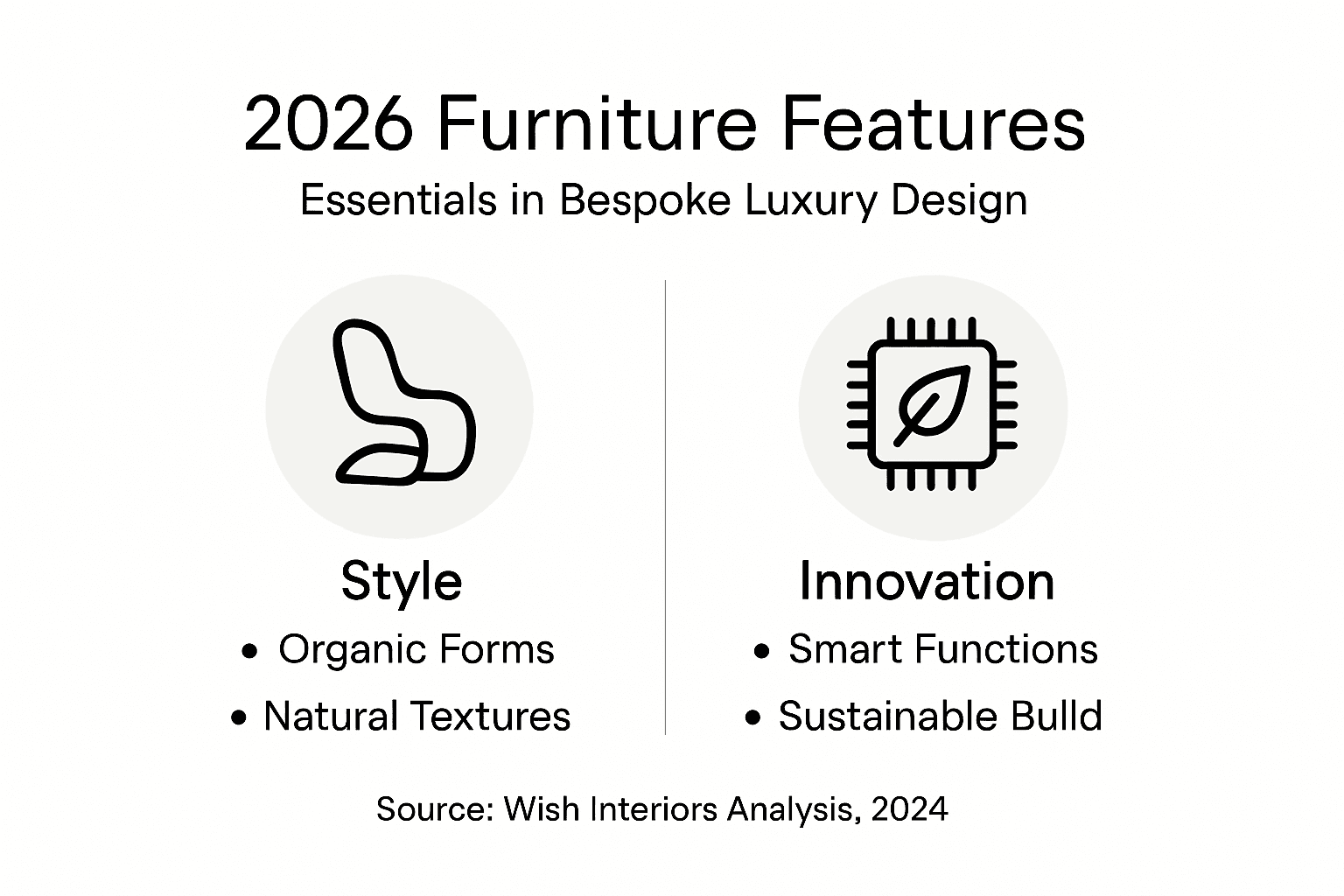
- Key Features Of 2026 Furniture Styles
- Impact On Bespoke Residential Projects
- Risks And Challenges In Adopting Trends
Key Takeaways
| Point | Details |
|---|---|
| Luxury Design Evolution | Contemporary luxury furniture now prioritises sustainability, personalisation, and technological integration, moving beyond opulence. |
| Contemporary Trends | Trends such as organic shapes, multifunctional designs, and quiet luxury are reshaping how modern furniture is conceptualised. |
| Bespoke Solutions | Bespoke furniture is revolutionising residential spaces by offering adaptability and personalisation tailored to individual needs. |
| Industry Challenges | Designers face significant risks such as supply chain disruptions and cost management, necessitating innovative, flexible strategies to remain competitive. |
Defining Furniture Trends in Luxury Interiors
Luxury interior design is experiencing a transformative evolution, where traditional elegance meets contemporary innovation. Emerging design trends are reshaping how designers and homeowners conceptualise sophisticated living spaces.
The contemporary luxury furniture landscape is characterised by several defining elements that transcend mere aesthetic appeal. These include:
- Sustainability: Eco-friendly materials and responsible manufacturing processes
- Personalisation: Bespoke furniture pieces tailored to individual preferences
- Technological Integration: Smart home features seamlessly embedded in design
- Biophilic Elements: Natural design principles connecting interiors with organic environments
Artisanal craftsmanship remains paramount in luxury furniture design, with designers prioritising handcrafted quality over mass-produced alternatives. Each piece tells a unique story, reflecting meticulous attention to detail and sophisticated design philosophy.
The intersection of technological innovation and traditional craftsmanship is particularly compelling. Modern luxury interiors now incorporate advanced materials and smart technologies without compromising the timeless elegance that defines high-end design.
Luxury furniture trends are no longer about opulence, but about creating personalised, sustainable, and technologically integrated living environments.
Pro tip: When selecting luxury furniture, prioritise pieces that balance aesthetic sophistication with functional innovation and sustainable design principles.
Types of Contemporary Furniture Trends
Contemporary luxury furniture design has evolved dramatically, reflecting sophisticated lifestyle changes and technological innovations. Contemporary furniture trends are increasingly defined by a harmonious blend of aesthetics, functionality, and sustainability.
The most prominent contemporary furniture trends encompass several key design philosophies:
- Organic Shapes: Curved lines and fluid silhouettes replacing rigid geometric forms
- Multifunctional Designs: Furniture pieces serving multiple purposes in compact living spaces
- Sustainable Materials: Reclaimed wood, recycled metals, and eco-friendly manufacturing processes
- Bold Colour Palettes: Vibrant hues mixed with unique textural elements
- Smart Technology Integration: Embedded technological features enhancing user experience
The rising trend of quiet luxury emphasises investment pieces that transcend fleeting design fads. These furniture selections prioritise timeless craftsmanship, superior materials, and understated elegance over ostentatious displays of wealth.
Technological integration is transforming furniture from mere functional objects into intelligent living companions. Smart furniture now incorporates wireless charging capabilities, ambient lighting, and adaptive ergonomic features that respond to individual user preferences.
Contemporary furniture trends represent a sophisticated dialogue between human-centric design, technological innovation, and environmental consciousness.
Pro tip: When selecting contemporary furniture, focus on pieces that seamlessly blend aesthetic appeal, functional versatility, and sustainable design principles.
Key Features of 2026 Furniture Styles
Luxury furniture design is undergoing a transformative renaissance, with 2026 furniture trends showcasing an unprecedented fusion of artistry, functionality, and technological innovation. The emerging design landscape celebrates individuality through sophisticated, forward-thinking approaches.
The key characteristics of 2026 furniture styles encompass several groundbreaking design philosophies:
- Sculptural Minimalism: Clean lines blended with dramatic, artistic forms
- Organic Warmth: Natural materials with fluid, biomorphic silhouettes
- Modular Versatility: Furniture pieces with upgradeable and adaptable configurations
- Sustainable Craftsmanship: Environmentally conscious manufacturing techniques
- Smart Technology Integration: Embedded technological features enhancing user experience
The concept of quiet luxury continues to dominate, emphasising understated elegance through meticulously crafted pieces that prioritise quality over ostentation. These designs reflect a nuanced approach to luxury, where comfort, sustainability, and aesthetic sophistication converge.
Color palettes and textures are experiencing a remarkable evolution, incorporating elements like colorful glass, embroidered accents, and faux fur upholstery. These tactile and visual elements transform furniture from mere functional objects into artistic statements that reflect individual personality and design sensibility.
Contemporary furniture transcends traditional boundaries, becoming a sophisticated dialogue between human creativity, technological innovation, and environmental consciousness.
Pro tip: When investing in 2026 furniture styles, prioritise pieces that demonstrate a harmonious balance between aesthetic innovation, functional versatility, and sustainable design principles.
Impact on Bespoke Residential Projects
Bespoke furniture design is dramatically transforming residential spaces through innovative residential solutions, enabling unprecedented levels of personalisation and functionality. Modern luxury homeowners now demand furniture that adapts seamlessly to their evolving lifestyle needs and aesthetic preferences.
The key impacts on bespoke residential projects include:
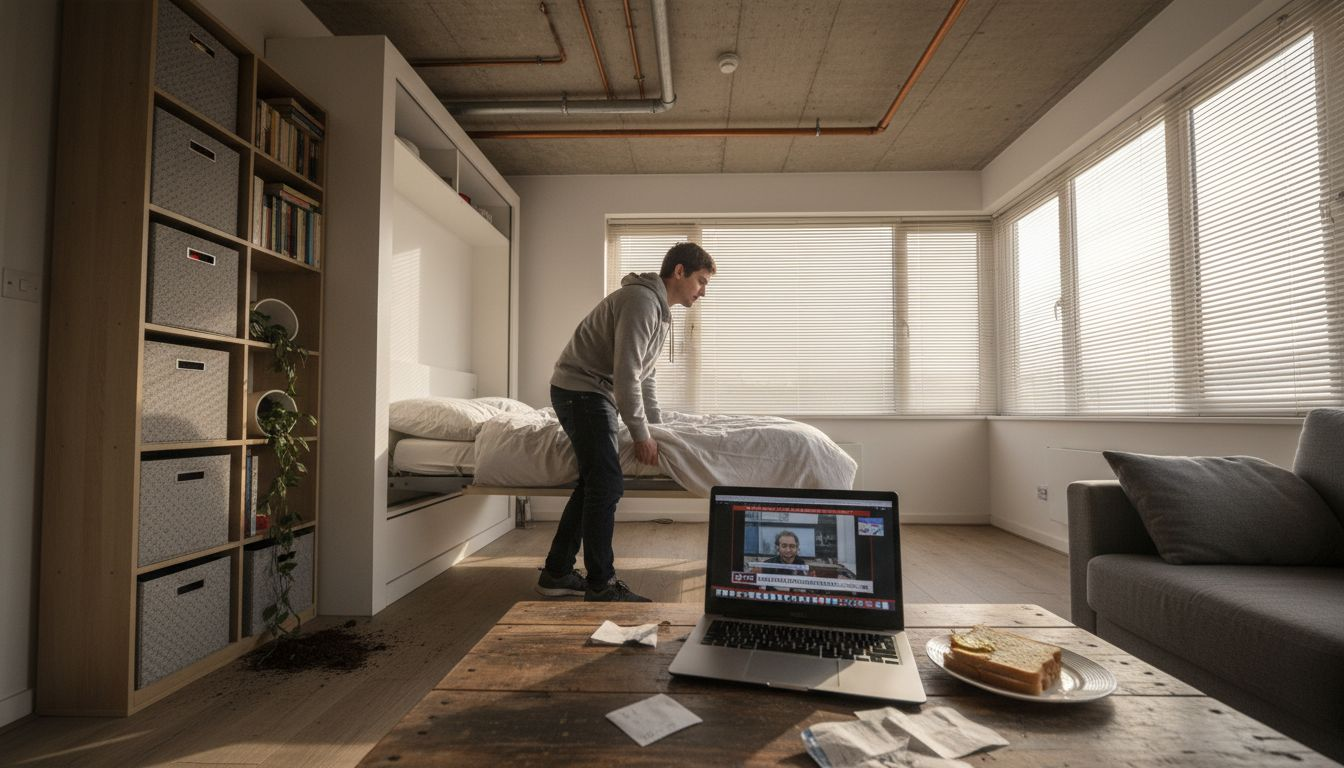
- Space Optimisation: Modular furniture configurations maximising limited urban living areas
- Technological Integration: Smart features embedded within custom furniture pieces
- Sustainable Design: Environmentally conscious materials and manufacturing techniques
- Personalised Aesthetics: Tailored solutions reflecting individual design sensibilities
- Functional Flexibility: Adaptable furniture supporting diverse lifestyle requirements
Multifunctional furniture has become particularly crucial in urban residential environments, where space constraints demand intelligent design solutions. Customisable pieces now serve multiple purposes, transforming from work surfaces to dining areas, or from storage units to seating arrangements with remarkable ease.
Technological innovations are seamlessly integrating with bespoke furniture design, creating intelligent living environments that respond dynamically to residents’ needs. Embedded charging stations, adjustable ergonomic features, and interactive surfaces are becoming standard expectations in luxury residential projects.
To better understand the evolution of luxury furniture, here is a comparison of key trends across contemporary, 2026, and bespoke residential designs:
| Trend Aspect | Contemporary Luxury | 2026 Furniture Styles | Bespoke Residential Projects |
|---|---|---|---|
| Primary Focus | Aesthetics & tech | Artistic innovation | Adaptable, personalised solutions |
| Materials | Recycled, eco-friendly | Colourful glass, tactile mixes | Custom, sustainable components |
| Technology Role | Embedded smart features | Adaptive & ergonomic tech | Integrated intelligent environments |
| Design Philosophy | Quiet, timeless luxury | Sculptural minimalism | Space-optimising modularity |
| Functionality | Multi-purpose pieces | Modular adaptability | Functional flexibility |
Bespoke residential furniture is no longer just about aesthetics, but about creating intelligent, adaptable living ecosystems.
Pro tip: When designing bespoke residential spaces, prioritise furniture solutions that offer maximum versatility, technological integration, and personalised aesthetic expression.
Risks and Challenges in Adopting Trends
Luxury furniture design faces significant obstacles in trend implementation, with industry challenges creating complex strategic dilemmas for designers and manufacturers. These challenges demand sophisticated approaches to navigate rapidly evolving market expectations.
The primary risks and challenges include:
- Supply Chain Disruptions: Global logistics and material procurement complications
- Cost Management: Increasing raw material and production expenses
- Sustainability Pressures: Balancing eco-friendly design with market affordability
- Consumer Expectation Gaps: Bridging design innovation with practical functionality
- Technological Integration: Managing complex smart furniture implementation
Operational complexities particularly impact smaller design houses and manufacturers, who must invest substantially in technological capabilities and sustainable production methods. The financial barriers to entry can be significant, requiring substantial capital investment in research, development, and innovative manufacturing techniques.
Geopolitical tensions and environmental regulations further complicate trend adoption, creating additional layers of complexity for luxury furniture designers. Manufacturers must simultaneously manage rising production costs, skilled labour shortages, and increasingly stringent environmental compliance requirements.
The following table summarises the main risks and their business impacts within the luxury furniture sector:
| Risk Area | Description | Business Impact |
|---|---|---|
| Supply Chain Instability | Disruptions in materials and logistics | Delayed deliveries, increased costs |
| Cost Pressures | Rising raw material and production expenses | Margin reduction, higher pricing |
| Sustainability Demands | Balancing eco practices with profitability | Need for investment in green methods |
| Technological Complexity | Challenges in integrating smart features | Greater R&D spend, implementation risk |
| Consumer Expectation Gap | Innovating beyond practicality | Risk of misaligned product-market fit |
Successful trend adoption requires a delicate balance between innovation, sustainability, and economic feasibility.
Pro tip: Develop flexible design strategies that allow incremental technological and sustainable innovations without requiring complete production overhauls.
Elevate Your Bespoke Luxury Projects with Wish Interiors
Navigating the challenges of integrating sustainable craftsmanship, smart technology, and personalised aesthetics into bespoke residential furniture can feel overwhelming. The article highlights key pain points such as achieving functional flexibility, addressing consumer expectation gaps, and balancing eco-friendly design with economic feasibility. At Wish Interiors, we understand these demands and offer solutions that embody quiet luxury through on trend bespoke furniture crafted in the UK, designed to seamlessly blend aesthetic sophistication with adaptable functionality.
Explore our collection to discover modular and intelligent furniture pieces that respond dynamically to your lifestyle needs. Do not let supply chain uncertainties or technological complexities hold your project back. Visit Wish Interiors today and transform your luxury interiors into tailored living ecosystems. Take the next step towards creating a space that truly reflects your personal style and embraces contemporary furniture trends with confidence.
Frequently Asked Questions
What are the key elements of contemporary luxury furniture trends?
Contemporary luxury furniture trends focus on sustainability, personalisation, technological integration, and biophilic elements, offering a blend of sophistication and functionality.
How does bespoke furniture enhance residential spaces?
Bespoke furniture enhances residential spaces by providing personalised aesthetics, functional flexibility, and optimisation of space, enabling owners to create tailored environments that reflect their lifestyle needs.
What are the main challenges faced in adopting luxury furniture trends?
Challenges include supply chain disruptions, cost management due to rising raw material prices, balancing sustainability with affordability, managing consumer expectations, and integrating advanced technology into furniture designs.
How do sustainable practices impact luxury furniture design?
Sustainable practices impact luxury furniture design by encouraging the use of eco-friendly materials and responsible manufacturing techniques, promoting a balance between aesthetics and environmental consciousness.
Recommended
Sample Image Gallery


