





7 Modern Interior Design Tips for Luxurious UK Homes
Designing a home that feels both stylish and comfortable can be a real balancing act. You may want rooms that stand out, yet find that cluttered spaces and mismatched trends leave your interiors feeling off. The good news is you can create a home that is both inviting and genuinely personal, without sacrificing practicality for looks.
This list is packed with real, actionable ideas inspired by the latest United Kingdom design trends. From selecting the right minimalist colour palette to incorporating bespoke furniture and maximising natural light, you’ll find simple changes that make a dramatic difference. Discover new ways to add warmth, function, and unique character to every corner of your home.
Table of Contents
- 1. Choose a Minimalist Colour Palette for Clean Elegance
- 2. Invest in Bespoke Furniture for Unique Character
- 3. Embrace Open Plan Living to Maximise Space
- 4. Incorporate Textures with Quality Fabrics and Materials
- 5. Highlight Art and Statement Pieces in Key Areas
- 6. Optimise Lighting for Ambience and Function
- 7. Blend Indoor and Outdoor Spaces Seamlessly
Quick Summary
| Takeaway | Explanation |
|---|---|
| 1. Choose a minimalist colour palette | Opt for warm earth tones and cool neutrals to create a calm and elegant space. |
| 2. Invest in bespoke furniture | Custom furniture allows for a unique design tailored to personal style, ensuring high quality and functionality. |
| 3. Embrace open plan living | Removing walls enhances social connectivity and natural light, creating versatile and engaging spaces. |
| 4. Incorporate layered textures | Use quality fabrics to add depth and warmth, enhancing the emotional appeal of your home. |
| 5. Optimise lighting for ambiance | Implement layered and smart lighting solutions to create adaptable atmospheres that enhance your living experience. |
1. Choose a Minimalist Colour Palette for Clean Elegance
Creating a minimalist home is an art of restraint and intentional design. When it comes to colour selection, the right palette can transform your living space from cluttered to elegantly understated.
Minimalist colour palettes are not about being bland but strategically curating a harmonious environment. According to recent design trends for trendy colour palettes in 2024, homeowners are embracing sophisticated neutral tones that create a sense of calm and sophistication.
Key principles for selecting a minimalist colour palette include:
- Prioritise warm earth tones like beige and terracotta
- Incorporate cool neutrals such as charcoal and soft grey
- Use muted pastels for subtle depth
- Create a monochromatic base with carefully chosen accents
A minimalist colour palette is not about removing colour but about creating intentional, serene spaces.
To implement this approach, start by selecting a neutral base colour that runs consistently through your main living areas. Think soft greys, warm whites, or gentle taupe that provide a calm backdrop for your furnishings and artwork.
Accent colours can be introduced sparingly through carefully selected cushions, artwork, or singular statement pieces. This technique allows you to maintain the clean aesthetic while preventing the space from feeling sterile.
Pro tip: Select no more than three colours in your palette to maintain a cohesive and uncluttered visual experience.
2. Invest in Bespoke Furniture for Unique Character
In the world of luxury interior design, bespoke furniture represents the pinnacle of personalised style and craftsmanship. Moving beyond mass-produced pieces, custom furniture allows you to create living spaces that truly reflect your individual personality and aesthetic vision.
The trend of bespoke furniture in 2024 represents far more than a design choice – it is a statement of quality and individuality. Homeowners are increasingly seeking furniture that goes beyond standard options, prioritising:
- Personalised design tailored to specific spaces
- Superior craftsmanship and premium materials
- Unique pieces that tell a story
- Maximised functionality for individual living environments
Bespoke furniture transforms your home from a generic space into a personalised sanctuary.
Custom furniture offers significant advantages over standard retail options. Unlike mass-produced items, bespoke pieces are crafted to your exact specifications, ensuring perfect fit, unique aesthetic, and exceptional quality. Sustainable trends in 2024 demonstrate that discerning homeowners are prioritising long-lasting, handcrafted solutions that reflect both personal style and environmental consciousness.
When investing in bespoke furniture, consider working with local artisans or specialised furniture designers who can translate your vision into tangible, beautifully crafted pieces. Whether it’s a custom-built bookshelf that fits perfectly in an awkward alcove or a dining table designed to accommodate your specific entertaining needs, bespoke furniture offers unparalleled personalisation.
Pro tip: Always request detailed sketches and material samples before commissioning bespoke furniture to ensure the final piece matches your exact vision and lifestyle requirements.
3. Embrace Open Plan Living to Maximise Space
Modern homes are evolving beyond traditional compartmentalised designs, with open plan living emerging as a transformative approach to interior spaces. This design philosophy reimagines how we interact with our living environments, creating fluid, versatile areas that adapt to contemporary lifestyles.
Open plan design in UK homes represents more than a trend – it is a fundamental shift in how we conceive domestic spaces. The approach offers multiple benefits by removing physical barriers and creating interconnected living areas that enhance social interaction and spatial perception.
Key advantages of open plan living include:
- Increased natural light flow
- Enhanced social connectivity
- More flexible living spaces
- Improved spatial perception
- Easier movement between functional areas
Open plan design transforms houses from isolated rooms into dynamic, interactive environments.
To successfully implement an open plan concept, consider strategic zoning techniques. While removing walls creates openness, you still need to define different functional areas. This can be achieved through:
- Strategically placed furniture
- Area rugs that delineate spaces
- Subtle level changes
- Architectural elements like partial dividers
- Consistent colour palettes that create visual continuity
The emerging broken-plan approach offers a nuanced alternative for those wanting some spatial definition. This design strategy uses subtle architectural interventions to create gentle boundaries without completely closing off spaces.
Pro tip: When designing open plan spaces, use consistent flooring and complementary colour schemes to create a seamless visual flow between different functional areas.
4. Incorporate Textures with Quality Fabrics and Materials
Texture is the secret weapon of sophisticated interior design, transforming spaces from flat and lifeless to rich and inviting. In modern UK homes, layered textures create depth, warmth, and visual intrigue that elevate your living environment beyond mere decoration.
Interior trends for 2024 emphasise the importance of thoughtful material selection, highlighting how quality fabrics can dramatically enhance your home’s aesthetic and emotional atmosphere.
Key textures to consider include:
- Natural wool for warmth and softness
- Luxurious velvet for elegant depth
- Crisp linen for understated sophistication
- Bouclé for contemporary tactile interest
- Cotton for breathable comfort
Texture speaks where words cannot – it creates an emotional connection to your living space.
Successful texture incorporation involves strategic layering. This means combining different materials with complementary natural colour palettes like terracotta, mustard, and burnt orange. Think plush wool throws draped over smooth leather armchairs, or velvet cushions nestled against rough-woven linen upholstery.
When selecting textures, consider both visual and tactile qualities. UK design trends demonstrate that sustainable, natural materials not only look beautiful but also support an eco-conscious lifestyle.
Practical tips for texture integration:
- Start with a neutral base colour
- Add 2-3 contrasting textures
- Balance smooth and rough surfaces
- Use accessories to introduce variety
- Consider material durability and maintenance
Pro tip: When mixing textures, maintain a consistent colour family to prevent your space from feeling chaotic and ensure a harmonious, sophisticated look.
5. Highlight Art and Statement Pieces in Key Areas
Art transforms a house into a home, turning blank walls into canvases of personal expression and visual storytelling. In modern UK interiors, statement art pieces are not merely decorative elements but powerful statements of individual style and creativity.
Statement artworks in 2024 represent more than aesthetic choices – they are dynamic design tools that energise living spaces and spark conversation.
Types of impactful statement pieces include:
- Large-scale abstract paintings
- Sculptural installations
- Vintage collector pieces
- Maximalist patterned artworks
- Unique three-dimensional objects
Art is the visual language that communicates your home’s unique personality.
Strategic placement is crucial when incorporating statement art. UK interior design trends suggest focusing on key areas that naturally draw the eye:
- Above primary seating areas
- At the end of hallways
- In large, open wall spaces
- Opposite entry points
- As focal points in minimalist rooms
Consider the interplay between artwork and surrounding elements. A bold piece can anchor a room’s design, creating visual interest and emotional depth. Mix scales and styles to prevent monotony – pair a large abstract canvas with smaller, intricate pieces to create a dynamic visual narrative.
Pro tip: Use gallery lighting or directional spotlights to dramatically enhance your statement artwork, creating theatrical emphasis and transforming the piece into a true focal point.
6. Optimise Lighting for Ambience and Function
Lighting is the unsung hero of interior design, transforming spaces from mundane to magnificent with strategic illumination. Smart lighting solutions have revolutionised how we experience and interact with our living environments.
Lighting trends for 2024 reveal a sophisticated approach to home illumination that goes far beyond simple functionality. Modern lighting is about creating experiences, moods, and adaptable atmospheres.
Key lighting strategies include:
- Layered lighting schemes
- Smart home integration
- Energy-efficient LED technology
- Personalised light control
- Dynamic ambience creation
Intelligent lighting transforms rooms from static spaces to living, breathing environments.
Implementing a multi-layered lighting approach means considering three primary types of illumination:
- Ambient lighting for overall room brightness
- Task lighting for specific functional areas
- Accent lighting to highlight architectural features or artwork
Innovative lighting solutions now offer unprecedented control. Smart systems can automatically adjust based on occupancy, natural light levels, and even your personal preferences. Imagine lights that gradually warm as evening approaches or rooms that illuminate softly when you enter.
Consider integrating voice-controlled or app-managed lighting systems that allow you to create preset moods. A single command can transform your space from a bright, energetic environment to a soft, relaxing sanctuary.
Pro tip: Install dimmer switches and smart bulbs to create instant flexibility in your lighting design, allowing you to seamlessly transition between different atmospheres without major renovations.
7. Blend Indoor and Outdoor Spaces Seamlessly
Modern UK homes are breaking down traditional barriers between interior and exterior living spaces, creating fluid environments that expand our perception of domestic comfort. Boundary-free design transforms how we experience and interact with our living environments.
Indoor and outdoor integration trends reflect a growing desire for versatile, connected living spaces that enhance natural light and spatial perception.
Key strategies for seamless space integration include:
- Installing large glazed doors
- Using consistent flooring materials
- Creating visual continuity
- Incorporating natural materials
- Designing multi-functional zones
Your home should feel like a single, harmonious environment, not a series of disconnected rooms.
Implement these approaches to achieve fluid spatial transitions:
- Choose matching or complementary flooring between indoor and outdoor areas
- Use large sliding or bi-fold glass doors
- Select consistent colour palettes
- Incorporate similar architectural materials
- Design overlapping functional zones
Architectural design principles emphasise creating visual and functional continuity. This means selecting materials that work harmoniously across thresholds, such as extending interior tile patterns onto outdoor patios or using similar timber finishes in both spaces.
Consider practical elements like weatherproofing and thermal efficiency when designing these transitions. Modern glazing technologies allow for expansive glass installations that provide seamless views while maintaining excellent insulation.
Pro tip: Select outdoor furniture and accessories that complement your interior design aesthetic to create a cohesive visual narrative between indoor and outdoor spaces.
NO_TABLE
Elevate Your UK Home with Bespoke Luxury Interiors
Transforming your living space into a luxurious sanctuary means overcoming challenges like selecting the perfect minimalist colour palette, investing in bespoke furniture, and mastering seamless indoor-outdoor flow. If you seek calm yet sophisticated surroundings with personalised craftsmanship that speaks your style, then tailored solutions are essential. From warm earth tones to smart lighting and statement art pieces, every detail plays a vital role in creating a serene and elegant home.
Experience the power of bespoke furniture and trending luxury homeware that perfectly complement your individual vision. At Wish Interiors, we specialise in premium designs that bring your modern interior aspirations to life with flawless quality and sustainable materials.
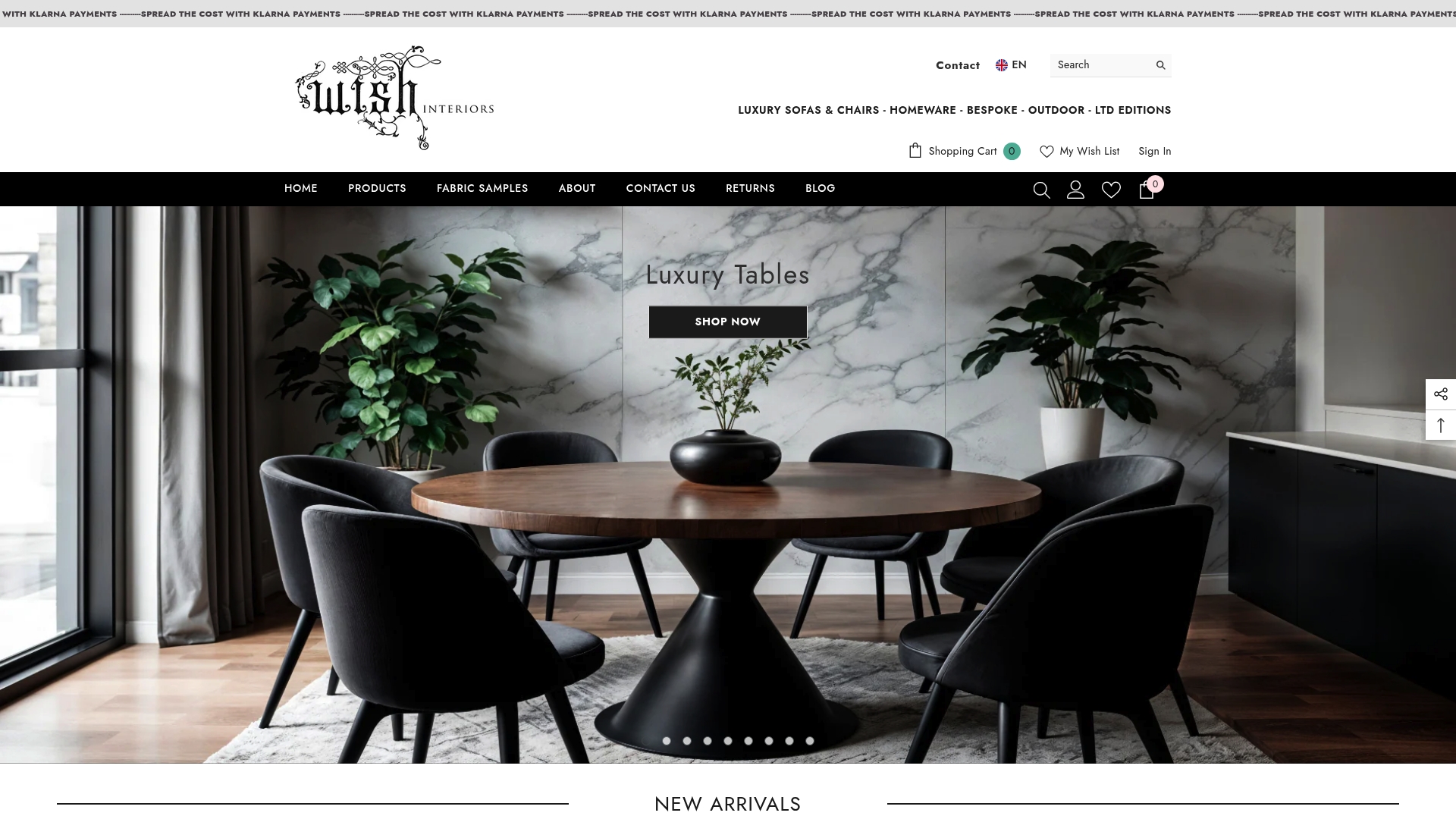
Discover how you can redefine your space today by exploring our curated collections of luxury furniture and bespoke pieces designed for discerning homeowners. Don’t wait to create your dream interior environment. Visit Wish Interiors now and start your journey towards a stylish, personalised, and harmonious home.
Frequently Asked Questions
How can I choose a minimalist colour palette for my home?
To choose a minimalist colour palette, start by selecting a neutral base colour such as soft grey or warm white. Limit your palette to three colours, incorporating warm earth tones, cool neutrals, and muted pastels for a harmonious look.
What benefits does bespoke furniture offer in interior design?
Bespoke furniture provides personalised design tailored to your space, outstanding craftsmanship, and unique pieces that reflect your style. Consider commissioning custom furniture that fits your needs and enhances your home’s character.
How can I effectively implement open plan living in my home?
To implement open plan living, remove unnecessary walls and define functional areas using strategic zoning techniques such as rugs and furniture arrangement. Focus on maintaining visual continuity with consistent colour palettes and flooring materials throughout the space.
What are some effective ways to incorporate textures into my interior design?
Incorporate textures by layering different materials, such as combining plush wool throws with smooth leather. Use a neutral base and add 2-3 contrasting textures to create depth and warmth in your living space.
How can I highlight art and statement pieces in my home?
Highlight art by strategically placing statement pieces in high-visibility areas, such as above seating or at the end of hallways. Use gallery lighting to enhance their presence, drawing attention and creating a focal point in the room.
What lighting strategies should I use to enhance ambience in my home?
Use a layered lighting approach that combines ambient, task, and accent lighting to create a dynamic atmosphere. Install dimmer switches to easily adjust the lighting based on preference, ensuring a versatile and inviting environment.
Recommended
Sample Image Gallery


