





5 Best Luxury Restaurant Interior Design Trends 2026
Table of Contents
- 1. Bespoke Restaurant Furniture Design: The Foundation of Luxury
- 2. Luxury Restaurant Upholstery Services: Comfort Meets Craftsmanship
- 3. Biophilic Design Elements: Bringing the Outdoors In
- 4. Smart Technology Integration: Enhancing Guest Experience
- 5. Commercial Interior Design Trends 2026: Lighting and Ambiance
- Neuro-Aesthetic Design: The Science of Sensory Dining
- ROI of Luxury Design: How Bespoke Interiors Drive Revenue
- Frequently Asked Questions
Last Updated: September 14, 2026
1. Bespoke Restaurant Furniture Design: The Foundation of Luxury
The 5 best luxury restaurant interior design trends 2026 all share one starting point: furniture that was made for the room it stands in (dezeen.com). At Wish Interiors, our workshop has spent more than 60 years shaping bespoke pieces for hospitality spaces, and the shift we see now is owners treating furniture as a revenue asset rather than a fit-out cost.
Bespoke restaurant furniture design is the practice of commissioning seating, tables and storage built to the exact dimensions, materials and wear patterns of a specific venue, rather than buying standard stock sizes. It matters because a dining room's covers, circulation and dwell-time economics are all decided by the furniture footprint.

Why Custom Pieces Outperform Off-the-Shelf
Off-the-shelf banquettes force a compromise on every awkward corner, column and window bay. Custom builds turn those constraints into usable covers. A curved banquette that follows a bay window can add seating where a straight unit leaves dead space, and the upholstery can be specified for the number of covers that seat will see each week.
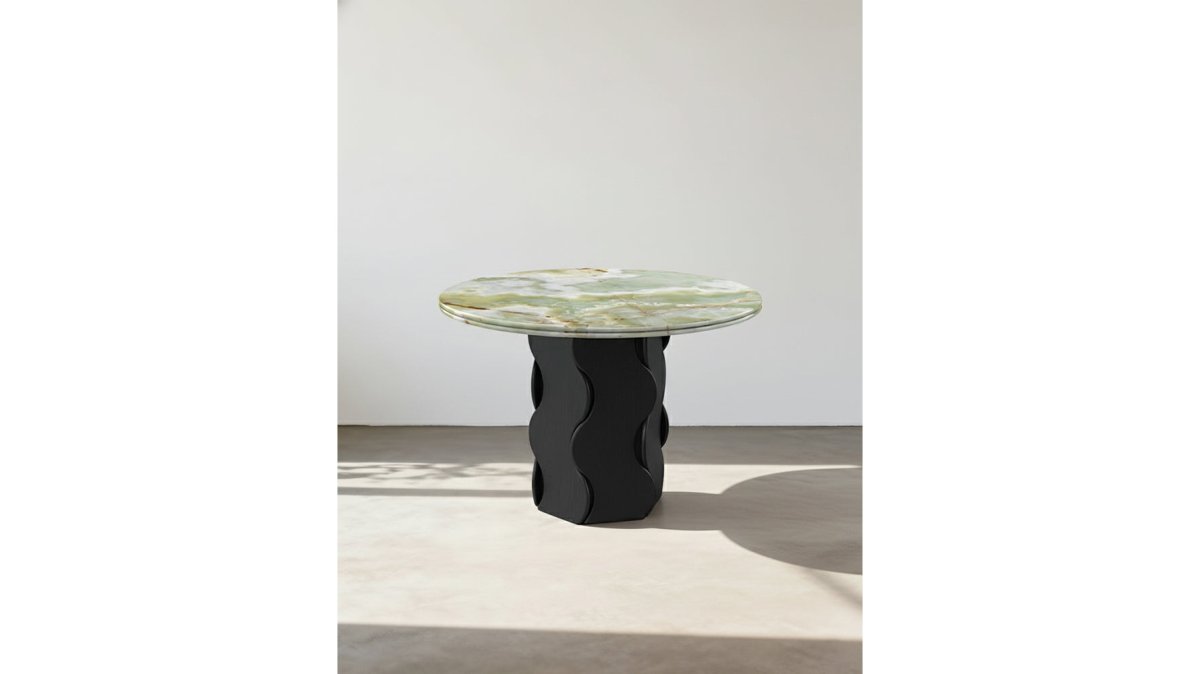
Key Considerations for Commissioning Bespoke Furniture
Three decisions drive the outcome: lead time, sample approval, and aftercare. A common mistake is signing off fabric from a photograph. Ask for a physical swatch under your own lighting.
2. Luxury Restaurant Upholstery Services: Comfort Meets Craftsmanship
Luxury restaurant upholstery services are the specification, making and fitting of seating covers, padding and structural fill built for commercial traffic. The right specification is the difference between a banquette that still looks sharp after three years and one that sags by the second winter (British Standards Institution).
Choosing Materials for Durability and Aesthetic Appeal
Rub counts, backing and foam density matter more than the name on the fabric label. Texture-layering across a scheme can also help manage the appearance of wear.
| Seating Zone | Priority | Material Direction | Maintenance Reality |
|---|---|---|---|
| Banquettes and booths | Abrasion resistance | Tight weave, dense foam | Wipe-down weekly |
| Dining chairs | Shape retention | Structured fabric, sprung seat | Rotate and inspect monthly |
| Lounge and bar seating | Comfort and feel | Velvet, boucle, layered texture | Professional clean quarterly |
| Reception and waiting | First impression | Statement fabric, low soiling | Spot-clean as needed |
3. Biophilic Design Elements: Bringing the Outdoors In
Biophilic design in a restaurant means using natural materials, planting, daylight and acoustic texture to reduce the hardness of a commercial room. Guests read softness as calm, and calm guests stay longer and order more. This organic approach often finds a natural balance when paired with the restrained elegance found in minimalist interior design trends.
The practical version is not a wall of foliage. It is oak veneer, stone and travertine surfaces, and acoustic slatted panels that manage noise while adding grain and warmth. Our Natural Oak Acoustic Wall Panels (£68.99) and the Black Oak Acoustic Wall Panels (£69.95) can enhance a scheme.
Acoustics belong in this trend, not beside it. Hard surfaces bounce conversation, and a room that is too loud shortens dwell-time and pushes table-turnover in the wrong direction (Noise).
4. Smart Technology Integration: Enhancing Guest Experience
Smart technology earns its place when it removes friction rather than adding novelty. Lighting control, reservation systems and climate zoning are the three areas where guests notice the difference, and where operators can measure the return.
Start with lighting control. A room that shifts from bright lunch service to low, warm evening ambiance changes how the same table feels, and it does it without a refit.
5. Commercial Interior Design Trends 2026: Lighting and Ambiance
Lighting is the highest-use spend in any restaurant fit-out. It sets the mood, directs attention to the table, and does more for perceived quality than almost any other single element.
The Role of Lighting in Guest Experience
Layered lighting works best: a statement centrepiece, mid-level fixtures over tables, and low-level warmth at the edges. A dramatic pendant such as the Abira Fifteen Arm Gold Finish Pendant Light (£324.95) suits a double-height dining hall, while the Wabi Sabi Pendant Light (£85.00) gives a softer, hand-sculpted glow over smaller tables.

For grander spaces, the Large Villa Crystal Chandelier (£1,479.99) is built for high ceilings and stairwells. Whatever you choose, specify dimming and warm colour temperature. Cool white light flatters nothing on a plate.

Neuro-Aesthetic Design: The Science of Sensory Dining
Neuro-aesthetic design applies what we know about how the brain processes shape, colour and texture to the dining room. Curves read as safe and inviting; hard angles read as alerting. Warm palettes and natural grain slow the eye down, which is exactly what you want in a room where guests are deciding on a second course.
This is the trend most operators under-use. It costs nothing extra to choose a curved seating profile over a square one, or a warmer neutral over a stark white, and the sensory effect on guest-experience is immediate.
ROI of Luxury Design: How Bespoke Interiors Drive Revenue
Luxury design pays back through four levers: average spend per head, dwell-time, repeat visits and the price you can charge for the room itself. Better seating means guests stay longer, order another course, and book again.
Two angles most trend articles skip deserve a mention. Supply chain transparency means knowing where your timber, stone and fabric come from, because guests and specifiers now ask.
The hardest part of a restaurant fit-out is not choosing a style, it is finding one partner who can deliver bespoke furniture, upholstery and lighting to a commercial standard on a timeline that works. Wish Interiors has spent over 60 years crafting handmade pieces for hospitality and residential projects, with artist collaborations such as our Micaela Sharp headboard range and Klarna available to spread the cost. Get started with Wish Interiors and furnish a room your guests remember. Call 020 46202525.
Frequently Asked Questions
What are the top restaurant design trends for 2026?
The top luxury restaurant design trends for 2026 include bespoke furniture design, biophilic elements like natural oak acoustic wall panels, smart technology integration for lighting control, and a focus on neuro-aesthetic design. These trends prioritise guest experience, sustainability, and operational efficiency. Bespoke upholstery services and modular furniture also remain essential for creating adaptable, luxurious spaces that can evolve with changing dining concepts.
How can bespoke furniture enhance luxury restaurant interiors?
Bespoke furniture enhances luxury restaurant interiors by maximising spatial efficiency and reflecting a unique brand identity. Custom pieces, such as a curved velvet lounge chair or a marble dining table, are designed to fit awkward layouts and withstand commercial use. This approach ensures material durability and comfort, directly improving guest experience and dwell time. Working with a specialist in bespoke restaurant furniture design allows for tailored solutions that standard pieces cannot match.
What role does lighting play in modern luxury restaurant design?
Lighting is critical for setting ambiance and influencing guest behaviour. Layered lighting, including dimmable pendants and statement chandeliers, creates intimacy and highlights architectural features. Smart lighting control systems allow restaurants to adjust the mood from brunch to dinner service, enhancing the dining experience. Effective lighting design also improves table turnover and revenue per seat by subtly guiding guest flow and comfort.
How do sustainability and luxury design intersect in commercial interiors?
Sustainability and luxury intersect through the use of eco-friendly materials like natural oak acoustic panels, which are both aesthetically pleasing and functional for sound absorption. Bespoke furniture made from durable, responsibly sourced materials reduces waste and long-term replacement costs. This approach supports sustainable construction practices while delivering the high-end, tactile finishes that define luxury hospitality interiors.
How to choose the right upholstery for high-end restaurant furniture?
Choose upholstery based on durability, comfort, and aesthetic alignment. Consider bespoke luxury restaurant upholstery services to ensure precise fit and material quality. The right choice balances tactile appeal with the practical demands of a busy dining environment.
Sample Image Gallery


