





Furniture Trends 2026: Defining Luxury Living Spaces
Demand for outstanding interiors raises the bar for British luxury home buyers and designers. As 2026 approaches, the world of furniture pivots toward a blend of bespoke craftsmanship, sustainable materials, and intelligent integration, creating pieces that balance visual impact and practical function. This guide breaks down the most important concepts and design shifts shaping future-ready living spaces, highlighting how bold forms and meaningful choices deliver both distinction and adaptability.
Table of Contents
- Furniture Trends 2026: Key Concepts And Definitions
- Emerging Styles: Curves, Scale And Statement Pieces
- Sustainable And Tactile Materials Shaping Luxury
- Customisation, Craftsmanship And Quiet Luxury
- Smart Integration And Multi-Functional Furniture
- Risks: Common Mistakes And Authenticity Issues
Key Takeaways
| Point | Details |
|---|---|
| Modularity is Essential | Furniture should be adaptable to accommodate changing living spaces and lifestyle needs. |
| Focus on Sustainability | Consumers now prioritise eco-friendly materials and transparent manufacturing processes. |
| Integration of Smart Technologies | Multi-functional furniture with intelligent features enhances user experience and comfort. |
| Authenticity Matters | Buyers should scrutinise craftsmanship and material sourcing to avoid superficial trends. |
Furniture trends 2026: Key concepts and definitions
The furniture landscape of 2026 represents a transformative era marked by technological innovation and conscious design philosophy. As manufacturers navigate an increasingly competitive market, furniture trends are no longer simply about aesthetics but encompass complex interactions between sustainability, customisation, and intelligent functionality. Furniture market dynamics reveal a profound shift towards more intentional, purpose-driven product development.
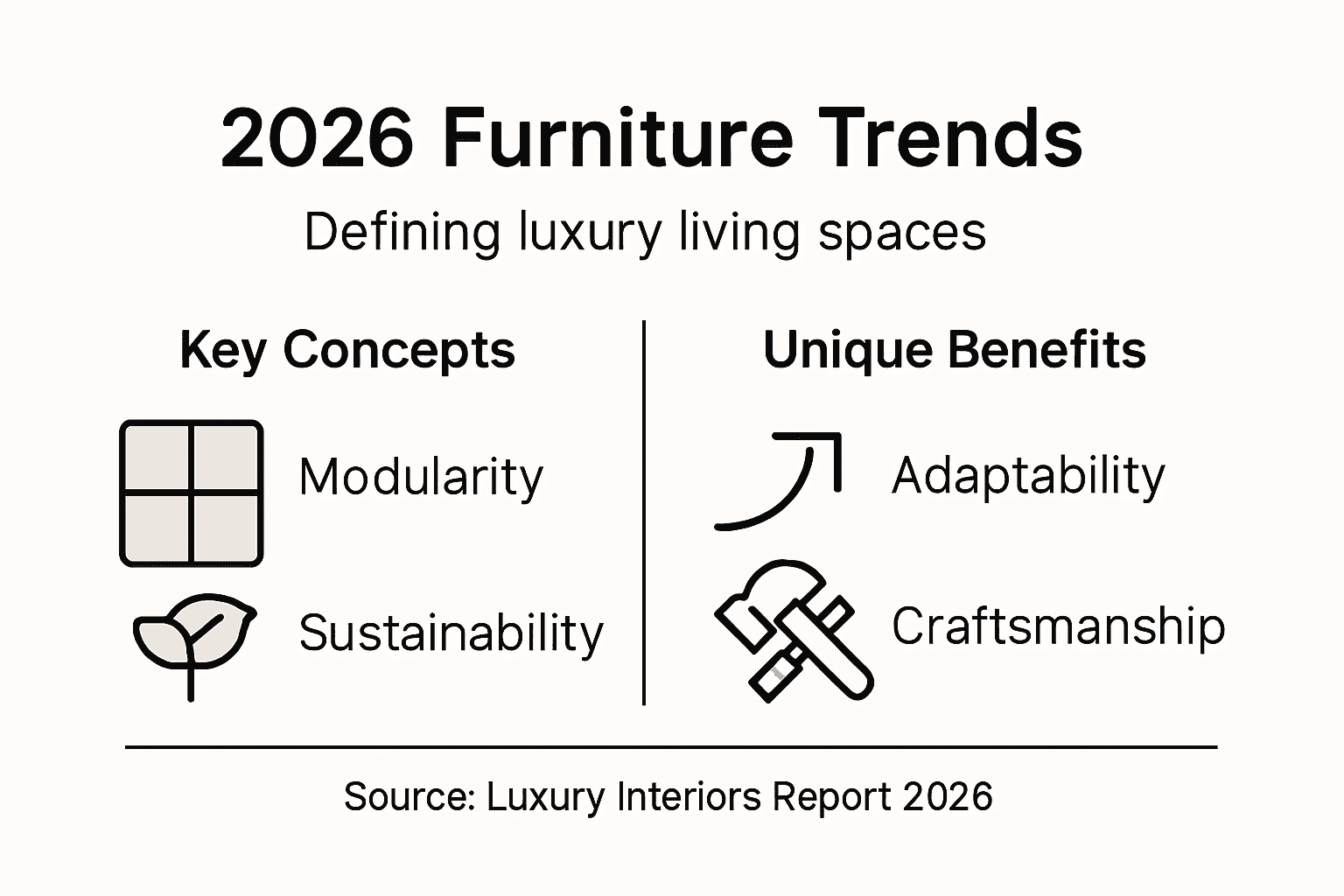
At the core of these emerging trends sit several pivotal concepts: modularity, sustainability, and intelligent integration. Modularity allows consumers unprecedented flexibility, enabling furniture pieces to adapt to changing living spaces and lifestyle requirements. Sustainability has transitioned from a niche preference to a fundamental consumer expectation, with buyers demanding transparency regarding manufacturing processes, material sourcing, and environmental impact. Intelligent integration represents the convergence of technology and furniture design, where pieces incorporate smart features that enhance user experience and functionality.
The market is experiencing a significant philosophical transformation, moving away from mass production towards bespoke, meaningful design. Manufacturers are increasingly prioritising quality over quantity, developing products that offer genuine value through durability, adaptability, and aesthetic sophistication. This approach requires a nuanced understanding of consumer preferences, leveraging advanced technologies like artificial intelligence to personalise product research and development.
Here is a comparison of the pivotal furniture design concepts defining 2026:
| Key Concept | Description | Unique Benefit |
|---|---|---|
| Modularity | Adaptable components for flexible living spaces | Easily reconfigurable layouts |
| Sustainability | Eco-friendly materials and transparent processes | Lower environmental footprint |
| Intelligent Integration | Incorporation of smart technologies and connectivity | Enhanced user experience and automation |
Pro tip: When selecting furniture for your luxury living space in 2026, prioritise pieces that offer modular design, sustainable manufacturing, and integrated smart technologies to ensure long-term relevance and value.
Emerging styles: Curves, scale and statement pieces
The furniture design landscape of 2026 embraces a bold departure from minimalist aesthetics, celebrating dramatic design narratives that prioritise personality and emotional resonance. Emerging styles reflect a profound shift towards furniture that tells a story, with designers prioritising organic forms, expressive silhouettes, and rich textural experiences that transform living spaces from mere functional environments into deeply personal narratives.
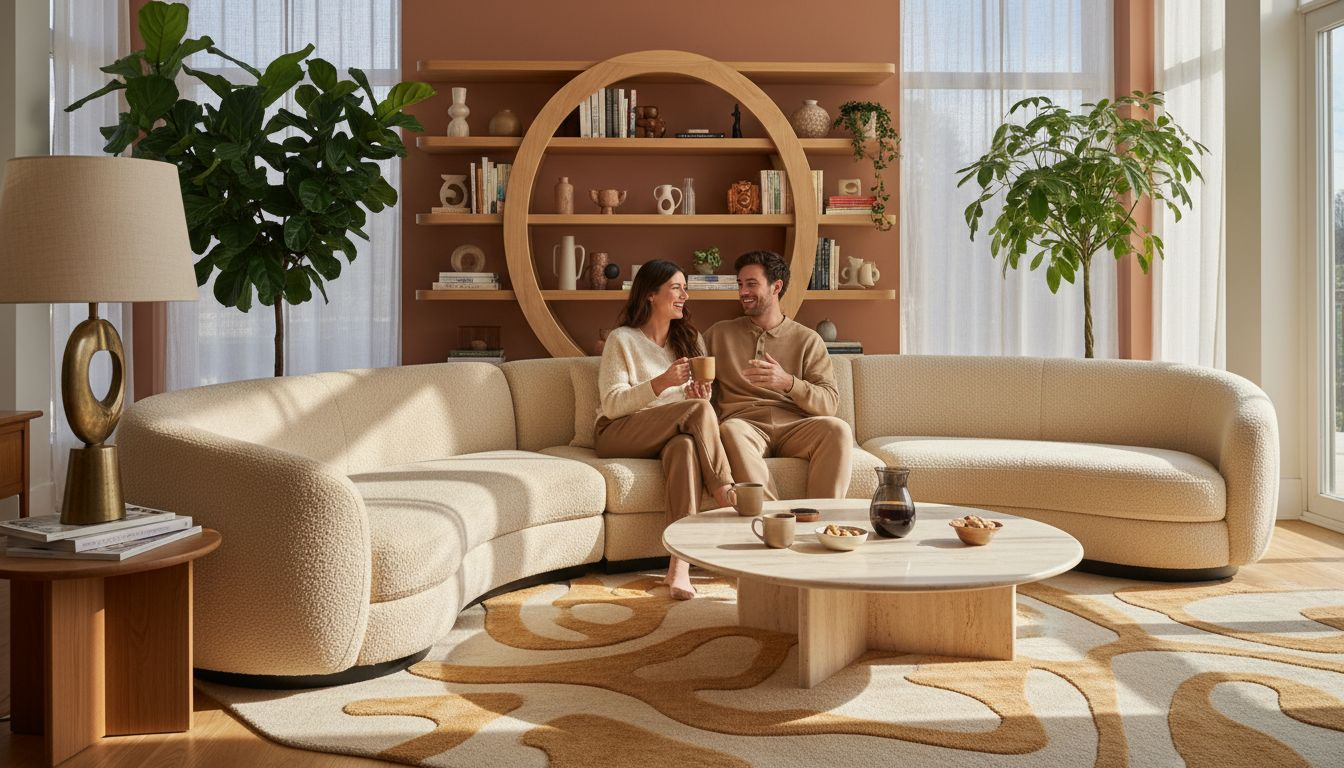
Curved, fluid shapes dominate this new design philosophy, drawing inspiration from 1970s organic modernism while incorporating contemporary technological innovations. Architectural silhouettes and oversized furniture are becoming statement pieces, challenging traditional scale expectations. These substantial forms are characterised by plush fabrics in jewel-toned velvets, earth-toned palettes, and tactile materials that invite touch and create visual depth. The emphasis is on creating furniture that feels simultaneously sculptural and supremely comfortable, breaking away from the sterile, mass-produced designs of previous decades.
The concept of curation has become paramount, with homeowners seeking pieces that reflect individual personality rather than conforming to generic trends. Antique elements are being seamlessly integrated with contemporary designs, creating layered, complex visual narratives that speak to personal history and aesthetic sophistication. Furniture scale transformations now prioritise emotional connection and visual impact, with pieces designed to be focal points that spark conversation and reflect the inhabitant’s unique sensibilities.
Pro tip: When selecting statement furniture pieces, focus on items that combine bold silhouettes with meaningful textures, ensuring they reflect your personal narrative while providing functional comfort.
Sustainable and tactile materials shaping luxury
Luxury interior design in 2026 is experiencing a transformative approach to materiality, where sustainability and sensory experience converge to redefine environmental consciousness. Sustainable furnishing strategies are no longer peripheral considerations but fundamental design principles, embedding ecological responsibility into the very fabric of high-end living spaces. This paradigm shift moves beyond aesthetic choices, representing a holistic commitment to ethical design that respects both environmental integrity and sophisticated visual language.
Natural materials take centre stage, with organic textiles, reclaimed woods, and innovative recycled composites creating rich, multisensory experiences. Designers are prioritising materials that tell a story - each piece reflecting not just aesthetic value, but environmental provenance. Handcrafted wooden furniture featuring natural grain patterns, organic linen upholstery, and textiles produced through regenerative processes exemplify this nuanced approach. The tactile qualities of these materials become as important as their visual characteristics, inviting touch and creating deeper emotional connections between inhabitants and their living environments.
The emergence of solar-powered accent pieces and furniture constructed from ethically sourced materials signals a sophisticated understanding of luxury that transcends traditional consumption models. Manufacturers are investing in transparent supply chains, showcasing the journey of each material from origin to final product. This approach transforms furniture from mere functional objects into narrative statements about personal values, environmental stewardship, and aesthetic discernment. The result is a design ecosystem that celebrates both visual refinement and ecological consciousness, where every material choice becomes an intentional expression of sophisticated living.
This table summarises signature materials and new approaches shaping luxury furniture:
| Material Approach | Example Use | Value Delivered |
|---|---|---|
| Organic Textiles | Upholstery and cushions | Natural feel and hypoallergenic qualities |
| Reclaimed Woods | Tables and cabinetry | Distinctive grain and eco-consciousness |
| Recycled Composites | Seating frames and surfaces | Innovative reuse, visual interest |
| Ethically Sourced Metals | Accents and structural supports | Assurance of ethical production |
Pro tip: When selecting sustainable luxury furniture, prioritise pieces with clear material provenance and tactile richness that communicate both environmental commitment and design excellence.
Customisation, craftsmanship and quiet luxury
The furniture design landscape of 2026 is experiencing a profound philosophical transformation, where quiet luxury redefines artisanal creation beyond mere aesthetic appeal. This emerging paradigm celebrates craftsmanship as an intrinsic value, moving decisively away from mass-produced uniformity towards bespoke, deeply personalised design experiences that honour individual narrative and technical skill.
Handcrafted details emerge as the hallmark of sophisticated design, with traditional woodworking techniques and visible joinery becoming focal points of aesthetic appreciation. Artisanal techniques now communicate a nuanced language of quality, where each furniture piece tells a unique story through its construction. Hand-stitched upholstery, meticulously selected rich woods, and tactile finishes convey an authenticity that transcends conventional luxury markers. The emphasis is on creating pieces that feel deliberately collected rather than hastily assembled, supporting interiors that reflect considered personal expression and generational design sensibilities.
Customisation has evolved from a luxury option to a fundamental design expectation, enabling consumers to co-create furniture that precisely reflects their lifestyle and aesthetic preferences. This approach challenges traditional manufacturing models, prioritising durability, emotional resonance, and individual storytelling over transient trends. Manufacturers are responding by offering increasingly flexible production processes, where clients can influence material selection, proportions, and finishing details. The result is a design ecosystem that celebrates individual creativity, technical mastery, and a more meaningful relationship between creator, object, and inhabitant.
Pro tip: When investing in luxury furniture, prioritise pieces that demonstrate exceptional craftsmanship, offer meaningful customisation options, and tell a compelling narrative about their creation.
Smart integration and multi-functional furniture
The furniture design landscape of 2026 is experiencing a radical transformation driven by technological innovation and changing lifestyle requirements. Smart technology integration has become fundamental, with furniture evolving from static objects to dynamic, responsive environments that anticipate and adapt to human needs. This shift represents more than mere technological advancement; it signifies a profound reimagining of how living spaces can actively support and enhance daily experiences.
Modular design emerges as a cornerstone of this new furniture paradigm, enabling pieces that seamlessly transform to accommodate diverse functional requirements. Imagine dining tables that effortlessly convert into workspace configurations, sofas with integrated charging stations, and storage solutions that adapt to changing spatial constraints. These multi-functional pieces respond intelligently to the fluid nature of contemporary living, where home environments must simultaneously support work, leisure, socialising, and personal wellbeing. The emphasis is on creating furniture that is not just aesthetically pleasing, but strategically engineered to maximise utility and comfort.
Ergonomic intelligence represents another critical dimension of smart furniture design. Technological capabilities now extend beyond mere aesthetics, incorporating features like adjustable heights, posture-sensing mechanisms, and personalised comfort settings. Manufacturers are developing furniture that can monitor physiological responses, automatically adjusting to provide optimal support and reduce physical strain. This approach transforms furniture from passive objects into active participants in personal wellness, reflecting a holistic understanding of design that prioritises both physical comfort and technological sophistication.
Pro tip: When selecting multi-functional furniture, prioritise pieces with flexible configurations and integrated smart technologies that can genuinely adapt to your evolving lifestyle needs.
Risks: Common mistakes and authenticity issues
The luxury furniture market of 2026 presents a complex landscape fraught with potential pitfalls for discerning buyers. Furniture authenticity challenges reveal a critical need for sophisticated consumer awareness, where superficial trends can easily mask underlying quality deficiencies. Distinguishing genuine craftsmanship from mass-produced imitations requires a nuanced understanding of design, materials, and ethical production practices.
Consumers frequently encounter deceptive marketing strategies that blur the lines between authentic luxury and trendy superficiality. Many manufacturers exploit aesthetic trends, creating pieces that prioritise visual appeal over structural integrity and long-term durability. The risks extend beyond mere aesthetic disappointment, potentially involving significant financial investment in furniture that fails to deliver promised quality or longevity. These pieces often lack the fundamental characteristics of true luxury: meticulous craftsmanship, sustainable sourcing, and meaningful design philosophy.
Navigating this complex market demands a strategic approach to furniture selection. Buyers must look beyond surface-level aesthetics, scrutinising material provenance, manufacturing techniques, and the underlying design narrative. Critical assessment involves understanding the difference between genuinely artisanal pieces and those merely mimicking craftsmanship. Design authenticity markers include transparent production processes, traceable material sourcing, and evidence of skilled human craftsmanship that cannot be replicated by mass production techniques. The most sophisticated consumers view furniture as an investment in cultural and personal narrative, rather than a transient decorative element.
Pro tip: Before purchasing luxury furniture, request detailed documentation about material sourcing, manufacturing processes, and request direct communication with the artisan to verify authentic craftsmanship.
Elevate Your Living Space with Bespoke Luxury Furniture
Navigating the 2026 furniture trends demands more than just recognising styles. The challenge lies in finding authentic pieces that balance modularity, sustainability, and intelligent integration while embodying true craftsmanship and quiet luxury. At Wish Interiors, we understand your desire for furniture that tells a meaningful story, offers tactile richness, and seamlessly adapts to your lifestyle.
Discover our curated collection of bespoke furniture designed to meet these exacting standards. Each piece reflects ethical sourcing and expert craftsmanship, helping you create a luxurious home that truly resonates with your values and aesthetic. Take the step toward transforming your living space today by exploring our luxury furniture range and embrace trends that embody long-lasting elegance. Visit Wish Interiors now and make a confident investment in furniture that promises both style and substance.
Frequently Asked Questions
What are the key furniture trends for 2026?
The key furniture trends for 2026 include modular design, sustainability, and intelligent integration, reflecting a shift towards more adaptable, eco-friendly, and technologically advanced furniture.
How does modularity benefit modern living spaces?
Modularity provides flexibility, allowing furniture pieces to be easily reconfigured to adapt to changing living spaces and lifestyle needs, making them suitable for various environments and functions.
Why is sustainability important in furniture design?
Sustainability is crucial as consumers increasingly demand transparency in manufacturing processes and materials. Furniture that is eco-friendly reduces environmental impact and aligns with a growing commitment to responsible consumption.
What is meant by intelligent integration in furniture design?
Intelligent integration refers to the incorporation of smart technologies within furniture, enabling features like connectivity and automation to enhance user experience and functionality, supporting modern lifestyle needs.
Recommended
Sample Image Gallery


