





What Is Interior Styling and Why It Matters
Every detail in a thoughtfully styled luxury home whispers sophistication, yet achieving true distinction goes far beyond just filling a space with beautiful things. For discerning British homeowners, luxury interior styling means crafting a living environment that balances refinement with comfort, using bespoke environments and narrative-driven design rather than chasing fleeting trends. Discover how to create a space that is both deeply personal and effortlessly timeless through expert strategies that blend exclusive materials, artisan craftsmanship, and practical harmony.
Table of Contents
- Interior Styling Defined For Luxury Homes
- Key Elements Of Successful Interior Styling
- Popular Interior Styling Types And Approaches
- Integrating Bespoke Furniture And Homeware
- Common Pitfalls In Luxury Interior Styling
Key Takeaways
| Point | Details |
|---|---|
| Bespoke Styling | Luxury interior styling prioritises personalised design, using exceptional materials and craftsmanship to create unique living spaces. |
| Narrative-Driven Spaces | Focus on creating environments that reflect your lifestyle and personal journey rather than following fleeting design trends. |
| Emotional Resonance | Incorporate colour psychology and texture layering to evoke emotional connections and enhance the overall sensory experience. |
| Avoid Common Pitfalls | Be mindful of overcrowding, mismatched styles, and poor quality materials to ensure a sophisticated, cohesive design. |
Interior Styling Defined for Luxury Homes
Interior styling represents the sophisticated art of curating living spaces that transcend mere decoration, transforming residences into personalised sanctuaries of elegance and comfort. Unlike standard interior design, luxury home styling focuses on creating bespoke environments that reflect individual narratives and refined aesthetic sensibilities.
At its core, interior styling for luxury homes involves a meticulous approach that balances several critical elements:
- Exceptional material selection
- Impeccable craftsmanship
- Personalised design storytelling
- Harmonious spatial composition
- Sensory experience creation
Luxury residential interior design transforms homes into extraordinary spaces through superior materials and expert attention to detail. This discipline goes far beyond superficial aesthetics, creating deeply personalised environments that nourish both physical and emotional experiences.
True luxury interior styling distinguishes itself through several nuanced characteristics. It prioritises quality over quantity, selecting noble materials and custom-crafted elements that speak to timeless elegance. Professional stylists understand that luxury is not about ostentatious displays, but rather about creating refined, discreet spaces that feel simultaneously sophisticated and intimately personal.
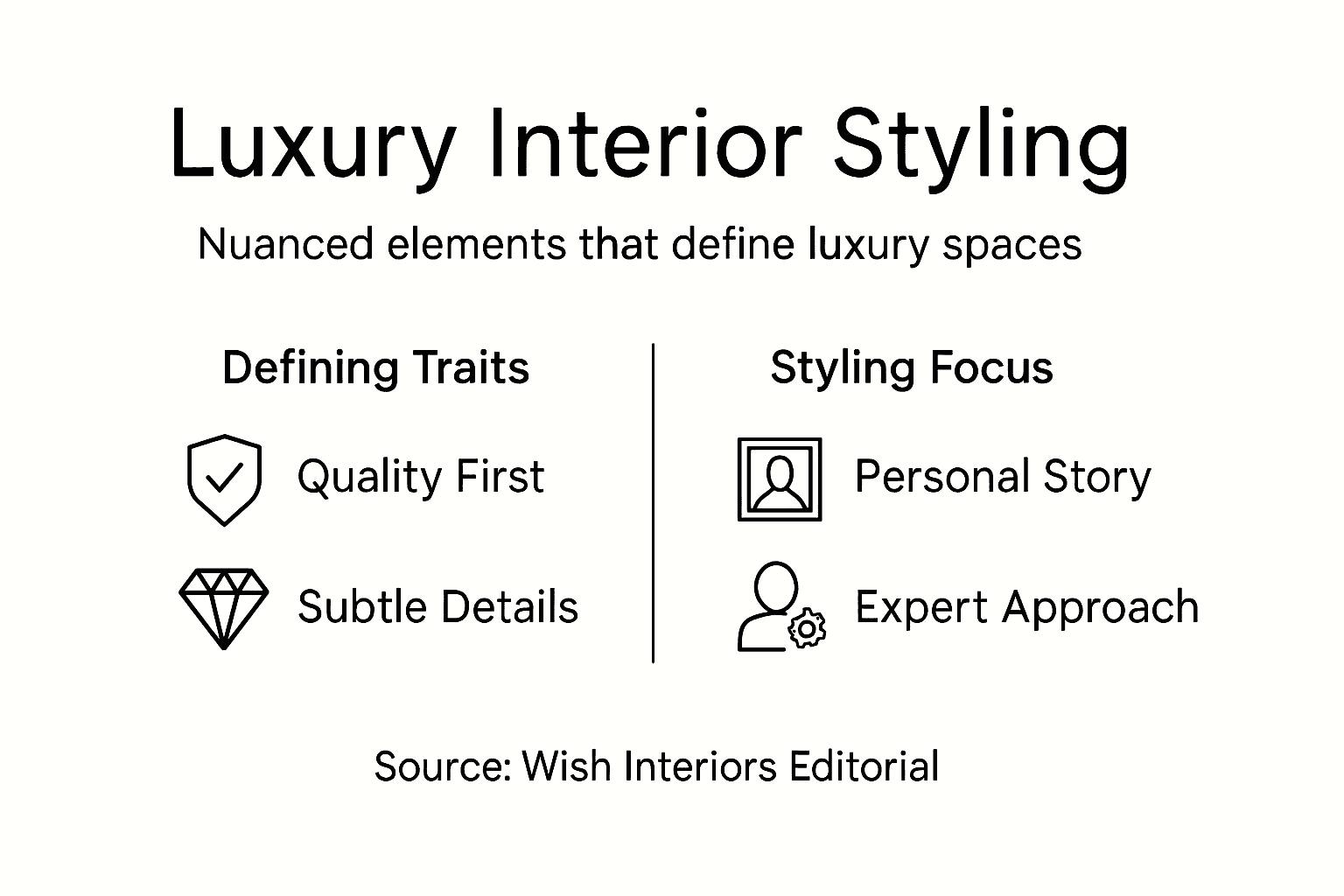
Pro tip: When approaching luxury interior styling, focus on creating narrative-driven spaces that reflect your unique lifestyle and personal journey, rather than following transient design trends.
Key Elements of Successful Interior Styling
Successful interior styling transcends mere aesthetic arrangement, representing a sophisticated synthesis of art, function, and personal expression. Professional stylists understand that creating remarkable living spaces involves more than selecting beautiful furniture—it requires a nuanced understanding of design principles and human psychology.
The foundational elements of exceptional interior styling include:
- Spatial Harmony: Understanding proportion and balance
- Colour Psychology: Creating emotional resonance through strategic colour selection
- Texture Layering: Introducing depth and visual interest
- Functional Ergonomics: Ensuring spaces are both beautiful and practical
- Personal Narrative: Reflecting the inhabitant’s unique lifestyle and personality
Interior design principles serve as critical guideposts for creating cohesive and compelling spaces. These principles include balance, rhythm, emphasis, and proportion—each working together to transform a room from merely decorated to truly extraordinary.
Professional stylists recognise that successful interior design goes beyond visual appeal. It involves creating environments that enhance psychological comfort through thoughtful spatial planning, natural lighting, and smart integration of technology. The goal is to craft spaces that not only look stunning but also support the occupants’ well-being and daily experiences.
Pro tip: When designing your space, prioritise creating an environment that tells your personal story while maintaining functional elegance.
Popular Interior Styling Types and Approaches
Interior styling is a dynamic landscape of creative expression, offering diverse approaches that cater to individual tastes, architectural contexts, and personal narratives. Contemporary interior design styles represent a rich tapestry of aesthetic philosophies, each with unique characteristics and emotional resonances.
The most prominent interior styling approaches include:
- Modern Organic: Emphasising natural textures and calm colour palettes
- Quiet Luxury: Celebrating understated elegance and superior craftsmanship
- Minimalist: Focusing on clean lines and functional simplicity
- Scandinavian: Embracing light, functionality, and natural materials
- Industrial: Highlighting raw architectural elements and utilitarian design
Emerging interior styling trends reveal fascinating nuances in contemporary design. The Modern Organic approach, for instance, creates serene environments by integrating natural materials, soft neutral tones, and organic shapes that connect inhabitants with their surrounding environment.
Each styling approach offers a distinct narrative. Quiet Luxury prioritises exceptional quality and subtle sophistication, while Coastal Grandmillennial blends nostalgic elements with contemporary sensibilities. The key is selecting a style that authentically reflects personal identity and complements architectural characteristics.
Here is a comparison of prominent interior styling approaches for luxury homes:
| Styling Approach | Defining Characteristic | Typical Mood Created |
|---|---|---|
| Modern Organic | Natural materials and fluid forms | Calm and connected |
| Quiet Luxury | Understated elegance, craftsmanship | Sophisticated serenity |
| Minimalist | Clean lines, visual restraint | Spacious and tranquil |
| Scandinavian | Light, functional, nature-inspired | Bright and welcoming |
| Industrial | Exposed structure, utilitarian style | Urban edge, dynamic |
Pro tip: Choose an interior styling approach that resonates with your personal aesthetic while maintaining functional integrity and emotional comfort.
Integrating Bespoke Furniture and Homeware
Bespoke furniture and homeware represent the pinnacle of interior styling, transforming living spaces from ordinary to extraordinary through personalised design and exceptional craftsmanship. Luxury interiors demand unique furniture solutions that reflect individual narratives and elevate spatial experiences.
Key considerations for successful bespoke integration include:
- Material Selection: Choosing high-quality, distinctive materials
- Spatial Harmony: Ensuring pieces complement existing architectural elements
- Functional Artistry: Balancing aesthetic appeal with practical utility
- Personal Narrative: Reflecting individual style and lifestyle
- Craftsmanship Quality: Prioritising precise, expert construction
Bespoke furniture integration demands a nuanced approach that goes beyond standard design principles. Professional stylists understand that custom pieces are not merely decorative elements but powerful storytelling instruments that communicate personal identity and aesthetic sensibility.
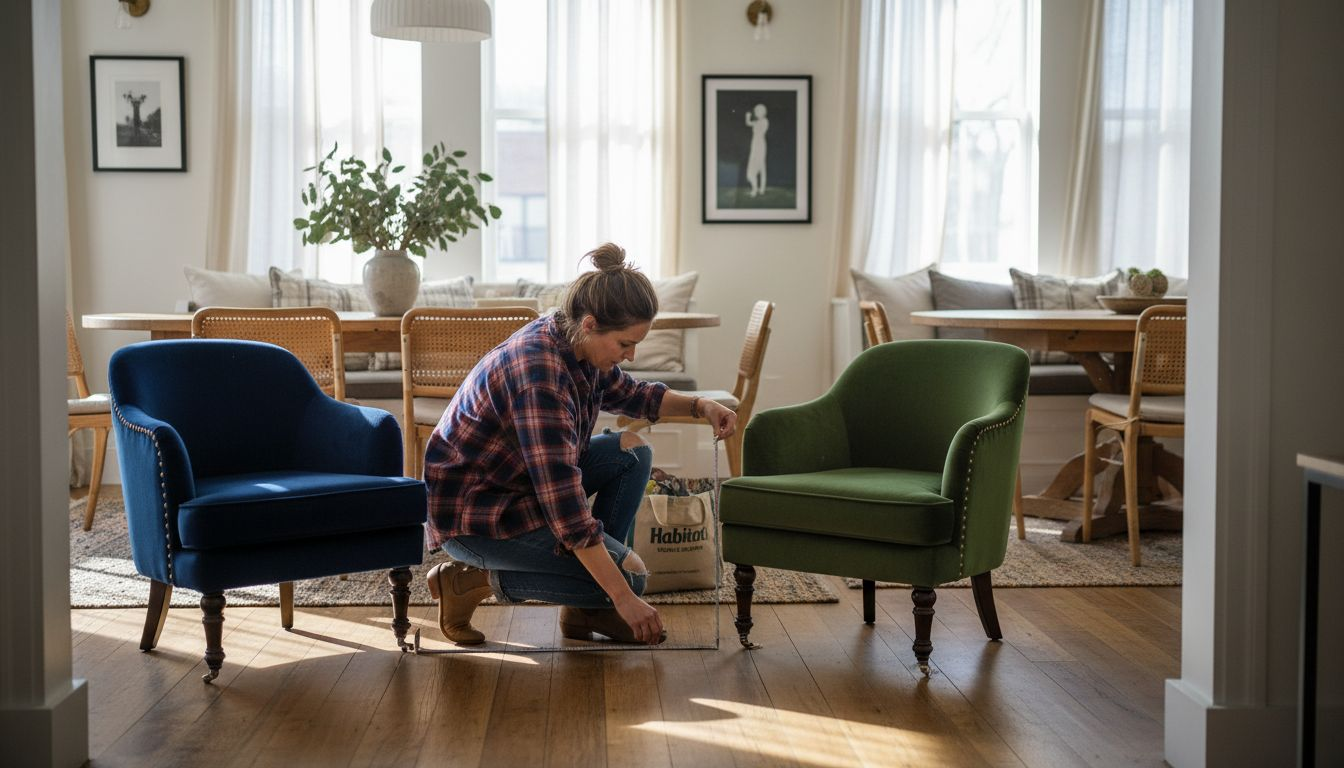
The art of integrating bespoke furniture involves carefully orchestrating individual pieces to create a cohesive narrative. This requires an intimate understanding of spatial dynamics, material interactions, and the subtle interplay between form and function. Each custom piece should feel simultaneously distinctive and harmoniously connected to the broader design ecosystem.
Pro tip: Select bespoke furniture pieces that not only reflect your personal style but also create meaningful connections within your living environment.
Common Pitfalls in Luxury Interior Styling
Luxury interior styling demands exceptional precision and nuanced understanding, with numerous potential missteps that can undermine even the most well-intentioned design efforts. Luxury furniture selections require sophisticated decision-making that goes far beyond aesthetic preferences.
Common pitfalls in luxury interior styling include:
- Overcrowding Spaces: Compromising spatial breathing room
- Mismatched Design Languages: Conflicting stylistic elements
- Ignoring Proportional Balance: Incorrect scale and dimension
- Neglecting Personal Narrative: Generic, impersonal design approaches
- Poor Quality Material Selection: Prioritising appearance over durability
Professional designers recognise that luxury styling is an intricate dance between visual drama and functional restraint. Many homeowners mistakenly believe that expensive pieces automatically guarantee sophisticated design, when in reality, true luxury emerges from thoughtful curation, impeccable craftsmanship, and a deep understanding of spatial dynamics.
The most sophisticated interior styling transcends mere decoration, creating environments that tell compelling stories. Successful designers understand that each element must communicate intentionality, whether through material selection, colour harmony, or the subtle interplay of textures and forms. Avoiding generic, trend-driven approaches is crucial to creating truly remarkable living spaces.
Below is a summary of strategies to avoid common pitfalls in luxury interior styling:
| Pitfall to Avoid | Effective Strategy |
|---|---|
| Overcrowded spaces | Prioritise negative space |
| Mismatched design languages | Establish a cohesive visual theme |
| Ignoring proportionality | Use scale-appropriate furnishings |
| Neglecting personal story | Incorporate meaningful artefacts |
| Poor material quality | Invest in durable, premium finishes |
Pro tip: Always prioritise timeless design principles and personal narrative over fleeting aesthetic trends when curating your luxury interior.
Elevate Your Luxury Interior Styling with Bespoke Solutions
The challenge of crafting a personalised sanctuary that embodies the essence of luxury interior styling and avoids common pitfalls can be overwhelming. This article highlights crucial goals such as balancing spatial harmony, integrating bespoke furniture, and reflecting your personal narrative to create a timeless, sophisticated home. If you seek exceptional craftsmanship and materials that truly tell your story, embracing expert curation is essential.
Explore how Wish Interiors offers on trend luxury furniture and bespoke homeware that harmonise with your unique style and spatial needs. Discover pieces designed to blend functional artistry with premium quality, ensuring every element elevates your living environment effortlessly.
Unlock the potential of your luxury home styling today. Visit Wish Interiors to browse our exclusive collections and bespoke designs that perfectly complement the refined elegance described in What Is Interior Styling and Why It Matters. Elevate your space now with styles and craftsmanship crafted for discerning tastes.
Frequently Asked Questions
What is interior styling?
Interior styling is the art of curating and arranging living spaces to create personalised environments that reflect individual aesthetics and narratives, particularly in luxury homes.
Why is interior styling important for luxury homes?
Interior styling is important for luxury homes as it goes beyond mere decoration; it focuses on creating bespoke spaces that enhance comfort, showcase exceptional craftsmanship, and tell a unique personal story.
What are the key elements of successful interior styling?
Key elements include spatial harmony, colour psychology, texture layering, functional ergonomics, and personal narrative, all of which contribute to creating cohesive and compelling living spaces.
How can I avoid common pitfalls in luxury interior styling?
To avoid pitfalls, prioritise negative space to prevent overcrowding, maintain a cohesive visual theme, ensure proportionality in furnishings, incorporate meaningful artefacts, and invest in high-quality materials for longevity.
Recommended
Sample Image Gallery


