





Role of Handcrafted Furniture in Modern Luxury
Every luxury homeowner knows the challenge of creating interiors that feel truly distinctive. The search for meaningful pieces often leads to the rich legacy of handcrafted furniture, where artistry and heritage unite to form unique design statements. Choosing handcrafted furniture invites British home makers and designers to embrace centuries-old techniques that reflect cultural identity and regional character. Discover how these one-of-a-kind creations add unmatched authenticity, elevate aesthetic value, and transform upscale interiors into personal expressions of taste and tradition.
Table of Contents
- Defining Handcrafted Furniture and Its Heritage
- Distinctive Types and Key Crafting Techniques
- How Handcrafted Pieces Shape Luxury Interiors
- Personalisation, Sustainability, and Investment Value
- Comparing Handcrafted and Mass-Produced Furniture
- Integrating Handcrafted Furniture into Modern UK Design
Key Takeaways
| Point | Details |
|---|---|
| Handcrafted Furniture Represents Cultural Heritage | Each piece embodies artisanal skills passed down through generations, capturing regional aesthetics and narratives. |
| Distinctive Crafting Techniques Ensure Quality | Techniques like hand joinery and wood carving require exceptional skill and result in unique, personalised designs. |
| Supports Sustainability and Ethical Production | Choosing handcrafted furniture promotes environmental responsibility and supports artisan communities, blending style with social impact. |
| Enhances Luxury Interiors with Emotional Depth | These pieces serve as narrative elements, adding authenticity and personal history to living spaces, beyond mere decoration. |
Defining Handcrafted Furniture and Its Heritage
Handcrafted furniture represents a profound artistic tradition that transcends mere functional design. Cultural craftsmanship in furniture design reflects centuries of artisanal skill, embodying techniques passed through generations that capture regional aesthetics and cultural narratives.
At its core, handcrafted furniture is distinguished by several fundamental characteristics:
- Produced using traditional manual techniques
- Created by skilled artisans with specialised training
- Incorporates heritage design principles
- Uses locally sourced or traditional materials
- Features unique, often personalised design elements
The significance of handcrafted furniture extends far beyond aesthetic appeal. Traditional craft preservation represents a critical mechanism for maintaining cultural identity, economic sustainability, and artisanal knowledge transmission. These pieces are not merely furniture but living historical artefacts that narrate stories of craftsmanship, regional identity, and human creativity.
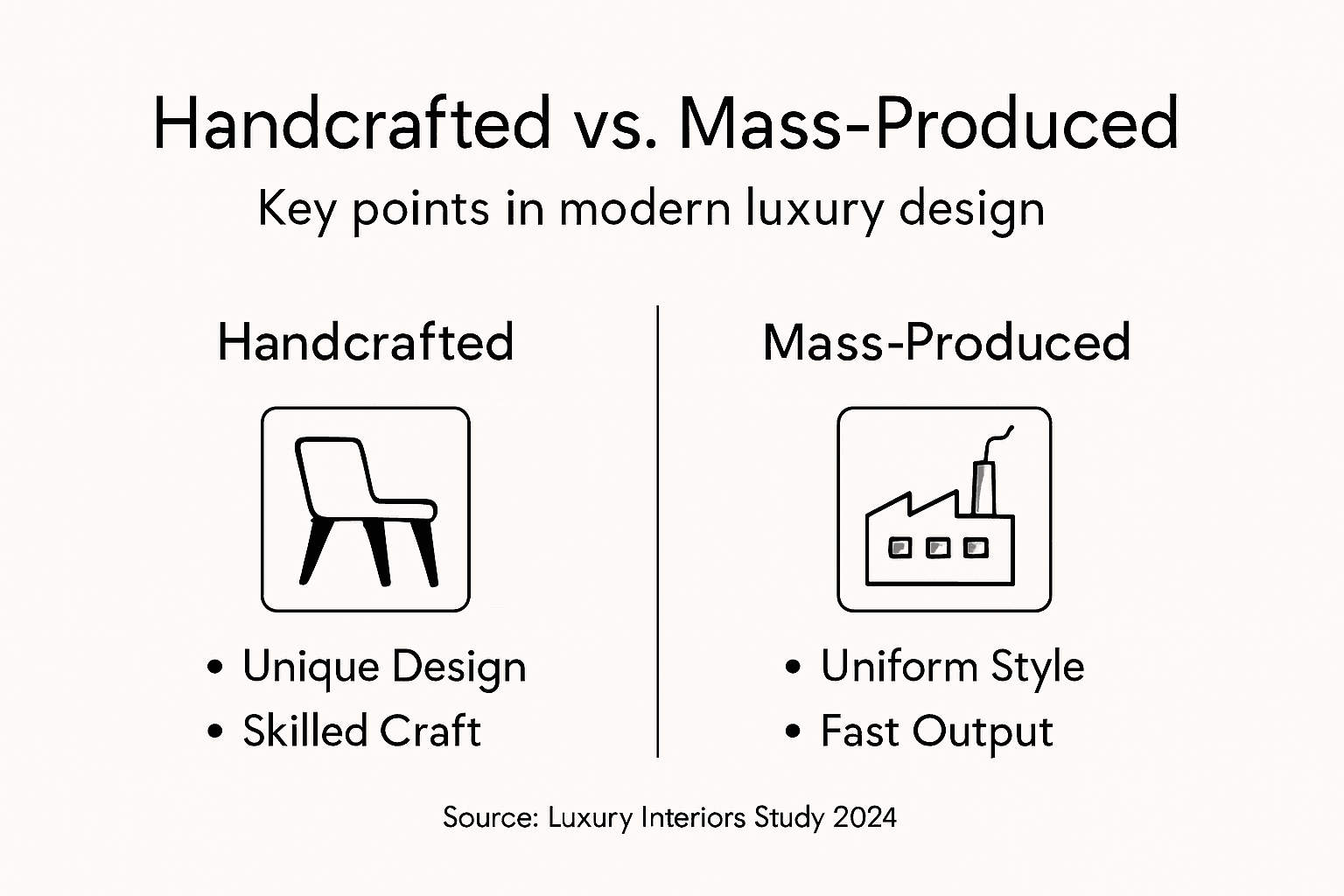
Modern luxury design increasingly recognises the immense value of handcrafted furniture, viewing these pieces as investments that blend artistic excellence with functional utility. By choosing handcrafted furniture, consumers support traditional skills, preserve cultural heritage, and acquire uniquely crafted pieces that stand in stark contrast to mass-produced alternatives.
Pro tip: When selecting handcrafted furniture, examine the artisan’s background, understand the piece’s cultural origins, and appreciate the meticulous craftsmanship that transforms wood and materials into extraordinary design statements.
Distinctive Types and Key Crafting Techniques
Handcrafted furniture encompasses a rich tapestry of woodworking techniques that transform raw materials into extraordinary design pieces. Traditional woodworking methods represent centuries of accumulated artisanal knowledge, where each technique reflects cultural heritage and individual craftsmanship.
The primary techniques in handcrafted furniture production include:
- Hand Joinery: Intricate connection methods like mortise and tenon
- Wood Carving: Detailed sculptural work creating decorative elements
- Hand Shaping: Precise manual manipulation of wood surfaces
- Custom Finishing: Personalised surface treatments and protective coatings
- Inlay Work: Embedding contrasting materials for decorative purposes
Each technique requires exceptional skill and years of dedicated practice. Artisans specialise in specific methods, often developing unique approaches that distinguish their work. Traditional techniques like dovetailing and hand-cut joinery represent more than mechanical processes – they are artistic expressions that communicate cultural narratives and individual creativity.
Modern luxury furniture design increasingly values these traditional crafting approaches, recognising them as essential differentiators from mass-produced alternatives. By preserving and celebrating these techniques, craftspeople ensure that each piece tells a unique story, combining functional design with artistic excellence.
Pro tip: When examining handcrafted furniture, look closely at the joints, surface details, and finishing – these elements reveal the true mastery of the artisan’s craft and technique.
How Handcrafted Pieces Shape Luxury Interiors
Artisanal furniture in luxury design transforms living spaces by introducing unparalleled depth, character, and emotional resonance. These meticulously crafted pieces go beyond mere decoration, serving as narrative elements that communicate sophistication, personal history, and cultural significance.
Handcrafted furniture contributes to luxury interiors through several transformative dimensions:
- Unique Aesthetic Expression: Each piece tells a distinctive visual story
- Personalisation: Tailored designs reflecting individual taste and style
- Superior Craftsmanship: Exceptional quality and attention to detail
- Cultural Narrative: Pieces that embody artistic heritage and tradition
- Sustainable Luxury: Supporting ethical production and artisan communities
The strategic integration of handcrafted furniture allows interior designers to create spaces that transcend conventional aesthetic boundaries. Unlike mass-produced alternatives, these pieces introduce authenticity and emotional depth, turning residential environments into curated, meaningful experiences that reflect the inhabitants’ unique sensibilities.
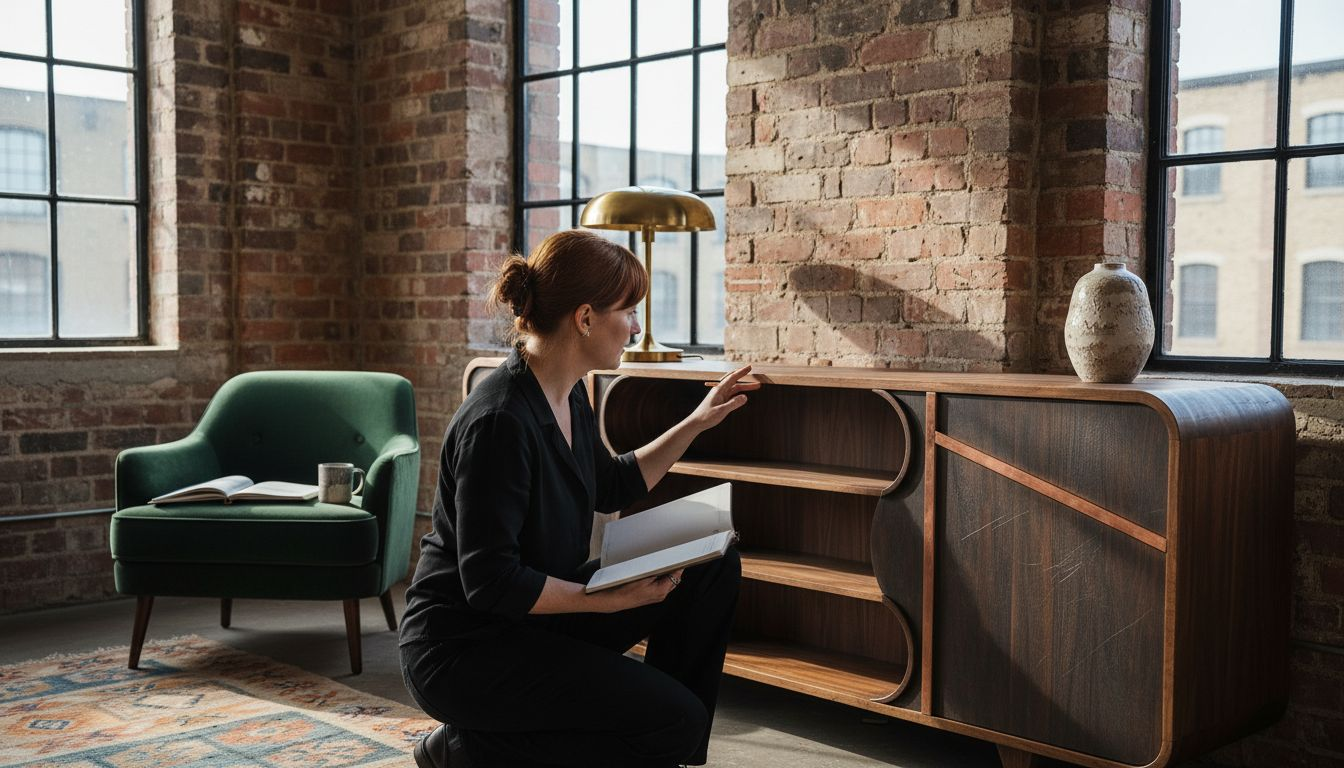
Modern luxury interiors are increasingly defined by their ability to blend contemporary design principles with timeless craftsmanship. By selecting handcrafted furniture, homeowners and designers make a profound statement about their commitment to quality, individuality, and cultural appreciation.
Pro tip: When selecting handcrafted furniture for luxury interiors, prioritise pieces that demonstrate exceptional skill, tell a compelling story, and create an emotional connection with the space.
Personalisation, Sustainability, and Investment Value
Sustainable furniture design represents a sophisticated intersection of environmental responsibility, individual expression, and long-term value creation. Handcrafted pieces transform traditional consumption models by offering consumers deeply personalised solutions that simultaneously address ecological concerns and investment potential.
The key dimensions of value in handcrafted luxury furniture include:
- Personalisation: Unique designs tailored to individual preferences
- Material Integrity: Sustainable, high-quality sourcing
- Longevity: Durable construction resisting trend-based obsolescence
- Cultural Value: Pieces that appreciate over time
- Ethical Production: Supporting artisan communities and responsible manufacturing
Unlike mass-produced furniture, handcrafted pieces represent more than functional objects. They are investments that combine aesthetic sophistication with measurable economic and environmental considerations. Each piece becomes a narrative asset, carrying intrinsic value that transcends conventional market dynamics and reflects a nuanced understanding of luxury consumption.
Modern consumers increasingly recognise that true luxury extends beyond immediate aesthetic appeal. By selecting handcrafted furniture, individuals make a strategic choice that balances personal style, environmental consciousness, and long-term financial prudence.
Pro tip: When evaluating handcrafted furniture investments, assess not just the immediate visual impact, but the piece’s potential for long-term appreciation, sustainability credentials, and artisanal provenance.
Comparing Handcrafted and Mass-Produced Furniture
Furniture craftsmanship comparison reveals profound differences between artisanal and industrial manufacturing approaches. While mass-produced furniture offers immediate affordability, handcrafted pieces represent a sophisticated investment in quality, individuality, and cultural preservation.
Key distinctions between handcrafted and mass-produced furniture include:
- Production Process: Manual vs automated manufacturing
- Material Quality: Premium, carefully selected materials vs standardised components
- Design Uniqueness: Bespoke, personalised designs vs uniform, replicated styles
- Durability: Meticulous construction vs economical manufacturing
- Environmental Impact: Sustainable, small-batch production vs large-scale industrial processes
Handcrafted furniture transcends conventional product categories by offering more than functional objects. Each piece represents a nuanced narrative of skill, tradition, and individual artistic expression. Mass-produced alternatives, while cost-effective, often lack the emotional resonance and intrinsic value that define truly exceptional furniture design.
Here’s a concise comparison highlighting the distinctive benefits of handcrafted versus mass-produced furniture:
| Aspect | Handcrafted Furniture | Mass-Produced Furniture |
|---|---|---|
| Artistic Value | One-of-a-kind creative expression | Standardised, repeated designs |
| Heritage Connection | Reflects cultural and regional identity | Typically lacks historical context |
| Longevity | Built for generations of use | Often designed for short-term trends |
| Investment Potential | Appreciates with provenance and rarity | Low resale or appreciation value |
Discerning consumers increasingly recognise that luxury is not merely about appearance, but about understanding the deeper story behind each carefully constructed piece. The choice between handcrafted and mass-produced furniture ultimately reflects personal values, aesthetic sensibilities, and commitment to supporting artisanal traditions.
Pro tip: When comparing furniture options, examine not just the price tag, but the craftsmanship, material integrity, and long-term value of each piece.
Integrating Handcrafted Furniture into Modern UK Design
Arts and Crafts design philosophy provides a profound foundation for integrating handcrafted furniture into contemporary British interiors. This enduring design approach emphasises authenticity, craftsmanship, and the seamless connection between functional objects and artistic expression.
Successful integration of handcrafted furniture in modern UK design involves several strategic considerations:
- Spatial Harmony: Balancing traditional craftsmanship with contemporary architectural lines
- Material Dialogue: Selecting pieces that complement existing interior textures
- Functional Aesthetics: Choosing handcrafted furniture that serves practical purposes
- Cultural Narrative: Incorporating pieces that reflect British design heritage
- Contextual Placement: Positioning artisanal furniture as statement elements
Modern British interiors increasingly recognise handcrafted furniture as more than decorative elements. These pieces represent a sophisticated dialogue between historical craftsmanship and contemporary design sensibilities, transforming living spaces into nuanced, personally curated environments that reflect individual taste and cultural appreciation.
The evolution of UK interior design demonstrates a growing appreciation for artisanal techniques that celebrate individual creativity and resist mass-produced uniformity. By thoughtfully integrating handcrafted furniture, homeowners and designers create spaces that are simultaneously sophisticated, deeply personal, and connected to rich artistic traditions.
This overview summarises how key British design principles support successful integration of artisanal furniture:
| Principle | Impact on Interior Style | Contribution to Space |
|---|---|---|
| Material Authenticity | Enhances tactile richness | Showcases natural textures |
| Heritage Narrative | Adds historic resonance | Personalises with local character |
| Functional Elegance | Unifies beauty and utility | Balances use and visual appeal |
| Spatial Harmony | Complements architecture | Maintains design cohesiveness |
Pro tip: When integrating handcrafted furniture, consider how each piece contributes to the overall narrative of your space, balancing visual impact with functional elegance.
Elevate Your Space with Authentic Handcrafted Luxury Furniture
The challenge many face in creating truly luxurious interiors lies in finding furniture that embodies personalisation, heritage, and exceptional craftsmanship rather than mass-produced uniformity. This article highlights how handcrafted furniture delivers emotional depth, sustainability, and lasting investment value through artisanal techniques and cultural narratives. For those seeking to transform their home with unique pieces that tell a story and stand the test of time, bespoke solutions are essential.
Experience the harmony of traditional craftsmanship and modern design by exploring our curated collection of luxury and bespoke furniture at Wish Interiors. Our expert artisans combine skilled hand joinery, custom finishing, and sustainable materials to help you craft interiors reflecting your individual style and British design heritage.
Discover how carefully chosen handcrafted furniture enhances your space with unmatched authenticity and elegance. Visit Wish Interiors now to browse bespoke options and begin your journey towards a home that is both an artistic statement and a lasting investment. Let us help you bring heritage craftsmanship into your modern luxury lifestyle today.
Frequently Asked Questions
What defines handcrafted furniture?
Handcrafted furniture is made using traditional manual techniques by skilled artisans, incorporating heritage design principles and locally sourced materials. Each piece features unique design elements that reflect artisanal skill and cultural narratives.
How does handcrafted furniture contribute to luxury interiors?
Handcrafted furniture adds depth, character, and emotional resonance to luxury interiors. It introduces unique aesthetic expression and personalisation, showcasing superior craftsmanship and cultural narratives that set it apart from mass-produced alternatives.
Why is sustainability important in handcrafted furniture?
Sustainability is vital in handcrafted furniture as it often uses high-quality, sustainable materials and supports ethical production practices. By choosing handcrafted pieces, consumers contribute to environmental responsibility and help preserve artisan communities.
How does handcrafted furniture compare to mass-produced furniture?
Handcrafted furniture is characterised by its unique designs, premium material quality, and meticulous craftsmanship, offering superior durability and cultural significance. In contrast, mass-produced furniture typically features standardised components, lower quality, and faster obsolescence.
Recommended
Sample Image Gallery


