





Benefits of High End Interior Design for Beginners
Table of Contents
- Why High End Interior Design Pays Off for First-Time Buyers
- The Benefits of Bespoke Furniture: Craftsmanship That Lasts
- Is Commercial Grade Furniture Worth the Cost for Your Home?
- Luxury Home Renovation Tips for Beginners: A Practical Checklist
- ROI vs Emotional ROI: What High End Interior Design Really Returns
- Sustainable Luxury and the Pitfalls Beginners Should Avoid
- Conclusion: Starting Your High End Interior Design Journey
- Frequently Asked Questions
Last Updated: September 17, 2026
Why High End Interior Design Pays Off for First-Time Buyers
High end interior design is the practice of commissioning bespoke furnishings, custom joinery and curated finishes to create interiors built around how a space is actually used. At Wish Interiors, we have over 60 years of dedicated craftsmanship in making bespoke furniture, and the pattern is consistent: beginners who approach it as a considered investment, rather than a spending spree, get far more from it.
Here is the throughline for this guide. Luxury interiors reward planning and punish impulse. The sections below cover value versus cost, why bespoke furniture lasts, whether commercial grade pieces suit a home, a practical beginner's checklist, and the honest returns on both money and emotion.
The Difference Between Cost and Value
Cost is what you pay on day one. Value is what the piece delivers over ten years of daily use. A mass-produced sofa might look affordable at the till, yet a frame that flexes and foam that collapses within a few years forces a replacement, and the second purchase erases the saving. Bespoke furniture spreads its cost across a much longer service life, which is why the UK government's guidance on buying sustainable and durable goods consistently frames durability as a core part of responsible purchasing. Beginners should ask what a piece will cost per year of use, not what it costs today.
The Benefits of Bespoke Furniture: Craftsmanship That Lasts
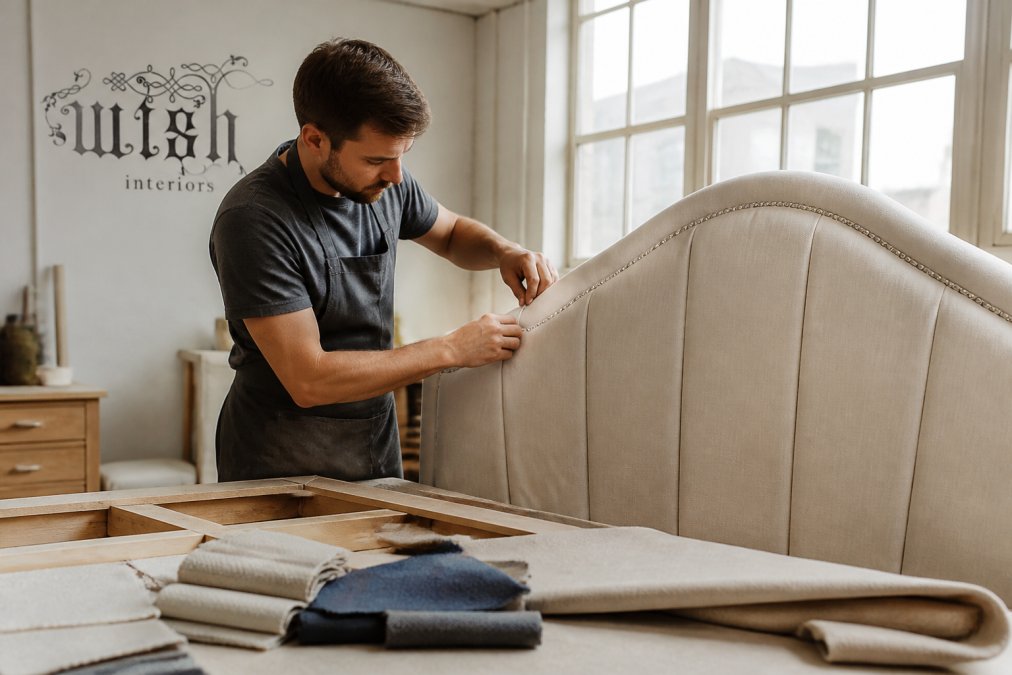
The core benefit of bespoke furniture is fit. A handmade piece is built to your room's exact dimensions, your fabric choice and your seating depth, so it works in the space rather than merely occupying it. Hardwood frames and traditional upholstery techniques are repairable, which means a good piece can be re-covered rather than replaced.
How Custom Pieces Solve Awkward Spaces
Awkward rooms are where bespoke work earns its keep. An L-shaped living room with low ceilings, a chimney breast that juts into the floor plan, a narrow hallway: standard furniture rarely fits these properly. Bespoke joinery can turn dead corners into storage and let you control proportions so a low ceiling feels intentional rather than cramped. This is space optimisation at its most practical.
Is Commercial Grade Furniture Worth the Cost for Your Home?
Commercial grade furniture is worth the cost at home when the piece will take heavy daily use. It is built to withstand continuous wear in hotels, restaurants and offices, so in a busy family living room that same construction simply lasts longer. Where it is not worth it: a spare bedroom used twice a year, where a lighter specification does the same job for less.
| Situation | Commercial grade? | Why |
|---|---|---|
| Family living room, daily use | Yes | Higher rub-count fabric and reinforced frames resist wear |
| Boutique hotel or restaurant | Yes | Built for continuous turnover and cleaning |
| Spare room, occasional use | No | Lighter construction is sufficient |
| Statement accent chair | Sometimes | Depends on traffic, not on looks |
The honest caveat is choice.
Luxury Home Renovation Tips for Beginners: A Practical Checklist
Luxury renovation goes wrong when the sequence is wrong. Fix the layout and services first, choose finishes second, and buy furniture last, because furniture is the only element that can be adjusted once everything else is fixed.
The Beginner's Checklist for Luxury
- Measure every wall, alcove and doorway, including diagonal clearance
- Decide the layout before choosing a single finish
- Set one budget for building work and a separate one for furniture
- Choose a palette of three core materials and hold to it
- Order long-lead bespoke pieces first, since they set your timeline
- Confirm fabric durability before you fall in love with a colour
- Plan lighting positions around where furniture will actually sit
- Keep 10 per cent of the budget for the final layer of accessories
ROI vs Emotional ROI: What High End Interior Design Really Returns
Financial return and emotional return are different things, and beginners conflate them. The financial case rests on property value appreciation: well-considered interiors and fitted joinery can support a stronger asking price, though the uplift varies by area, by buyer and by how well the work is executed. the Royal Institution of Chartered Surveyors' guidance on home improvements and value is clear that quality and finish matter more than the size of the spend, which is why a £40,000 kitchen in a poorly proportioned room can add less than a £12,000 scheme that fixes the layout.
- Reduced daily friction. A hallway with somewhere to put keys, coats and shoes removes a small argument from every single day. A living room laid out around how you actually sit removes the awkward shuffle around a coffee table that is 20cm too big.
- Reduced decision fatigue. A finished room stops asking you questions. Beginners underestimate how much mental space is occupied by the unfinished corner, the bare wall and the sofa that never quite worked.
- Pride of place. A room you are glad to walk into changes how you use your home. People who commission bespoke work consistently report using the space more, hosting more and staying in more, which is a lifestyle return, not a resale return.
Emotional ROI is not a soft metric. It is the return you collect every morning, and for most beginners it is the larger of the two.
Sustainable Luxury and the Pitfalls Beginners Should Avoid
The pitfalls beginners hit most often:
- Buying the look, not the fit. A showroom piece that photographs beautifully can be wrong for your room's proportions.
- Skipping the brief. Without a written brief, makers guess, and guesses get rejected.
- Under-budgeting the last layer. Lighting, rugs and art finish a room, and they are consistently forgotten.
- Ignoring lead times. Bespoke work takes weeks, not days, and a missed date delays everything after it.
Wish Interiors is a family-run upholstery business with over 60 years of craftsmanship, making bespoke, handmade furniture for homes and commercial spaces, with unique artist collaborations for limited-edition pieces.
Conclusion: Starting Your High End Interior Design Journey
The hardest part of a luxury renovation is knowing which decisions are permanent and which are not. Get the layout, the lead times and the brief right, and the rest becomes a series of manageable choices rather than an expensive gamble.
Frequently Asked Questions
What are the primary benefits of investing in high end interior design?
High end interior design delivers lasting value through bespoke craftsmanship, better materials and improved functionality. Custom pieces are made to fit your exact space, so awkward layouts and low ceilings stop being a problem. You also get aesthetic cohesion across a room rather than a collection of mismatched items. Many homeowners find the daily experience of a well-designed home, from better lighting to smoother functional flow, justifies the upfront spend.
How does bespoke furniture increase the value of a property?
Bespoke furniture adds value in two ways. First, it improves property value appreciation because buyers recognise quality joinery, custom cabinetry and high-end finishes that cannot be replicated by mass-market pieces. Second, it creates emotional ROI: a room that feels considered and finished helps a property sell faster. Limited-edition or artist-collaborated pieces can also hold value as investment pieces, particularly when they are well made and properly maintained.
What is the difference between mass-produced and luxury interior design?
Mass-produced furniture is built to standard dimensions and shipped in volume, which keeps costs down but limits fit and material quality. Luxury interior design starts with spatial planning and a design narrative, then commissions bespoke furnishings to match. The result is better ergonomics, higher-grade upholstery and finishes that stand up to daily use. You are paying for craftsmanship, material sourcing and a piece made for your room, not a warehouse template.
How can beginners start incorporating high end design elements into their homes?
Start with one room and one statement piece rather than a full renovation. A large mirror, such as the Rei 150cm round gold mirror at £328.99, can transform a living room by improving lighting and visual harmony without structural work. Add acoustic wall panels to improve sound and texture, then build outward. Work with a design consultation early so your choices support a single aesthetic direction instead of competing for attention.
Does high end interior design improve the functionality of a space?
Yes. Good design solves practical problems first. Custom cabinetry uses awkward corners, bespoke joinery fits sloped ceilings and lighting design puts light where you actually need it. Acoustic wall panels reduce echo in open-plan rooms, and correctly scaled furniture improves functional flow. The aesthetic improvements follow the practical ones, which is why high end projects often feel easier to live in than they look.
Why is craftsmanship important in luxury interior design?
Craftsmanship determines how a piece ages. Handmade furniture with traditional techniques and quality materials holds its shape, resists wear and can be repaired rather than replaced. That matters for upholstery, where cheap foam and staples fail within a few years while a properly built frame lasts decades. It also matters for bespoke joinery and custom cabinetry, where precision fitting prevents the gaps and misalignment that make a room feel cheap.
Sample Image Gallery


