





Why Buy Designer Chairs: Style, Quality, and Impact
Choosing the right chair goes beyond ticking a box for comfort or practicality. For discerning British homeowners, a designer chair becomes more than a place to sit, serving as a bold statement of style and cultural sophistication. With features like artistic expression and meticulous craftsmanship at the forefront, this guide reveals how designer chairs can help you curate interiors that are both visually striking and deeply personal.
Table of Contents
- What Defines A Designer Chair?
- Varieties Of Designer Chairs Explained
- Signature Features And Materials Used
- How Designer Chairs Enhance Interiors
- Cost, Value, And Investment Insights
Key Takeaways
| Point | Details |
|---|---|
| Designer Chairs Blend Art and Function | These chairs are not merely functional but serve as artistic expressions that reflect personal and cultural narratives. |
| Ergonomics Matter | Prioritise ergonomic design to ensure comfort without compromising on aesthetic appeal. |
| Material Selection is Crucial | The choice of materials significantly impacts a chair’s visual appeal, durability, and overall quality. |
| Consider Long-term Value | Designer chairs can be appreciating assets, making research into their provenance and design history essential for potential investors. |
What Defines a Designer Chair?
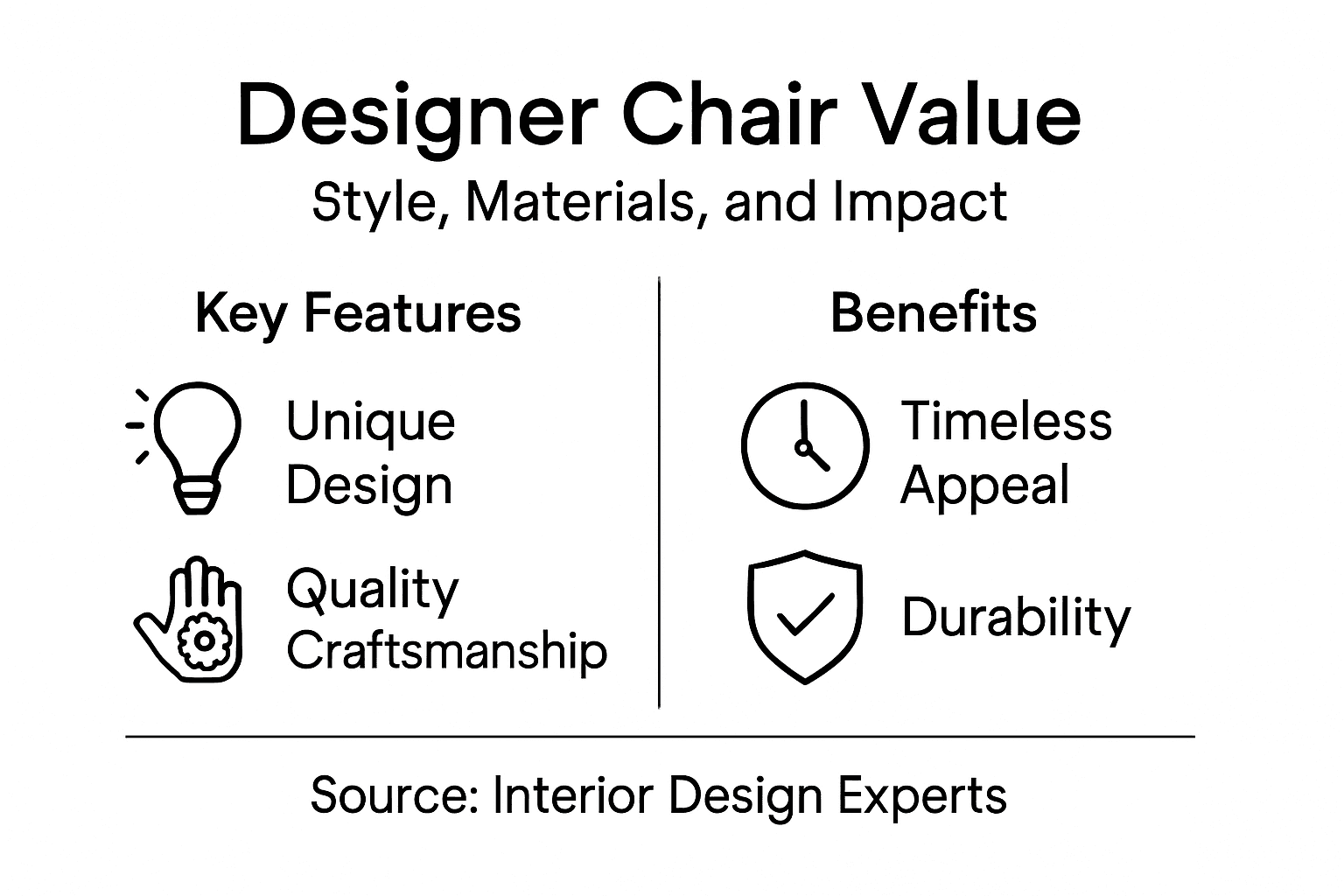
A designer chair transcends ordinary furniture, representing a fusion of artistic expression, functional innovation, and cultural significance. Unlike mass-produced seating, these pieces are crafted with meticulous attention to aesthetic and cultural symbolism, transforming an everyday object into a statement of design philosophy.
Designer chairs are characterised by several distinctive attributes that set them apart from standard furniture:
- Aesthetic Excellence: Beyond mere utility, these chairs are visual art forms that communicate artistic intent
- Craftsmanship: Precision engineering and superior materials define their construction
- Cultural Narrative: Each piece tells a story, reflecting historical and contemporary design movements
- Personalisation: Unique design considerations tailored to specific users and environments
The fundamental essence of a designer chair lies in its ability to balance form and function. Ergonomic design principles ensure these chairs are not just visually striking but also supremely comfortable, considering factors like human anatomy, material properties, and spatial context.
Every designer chair represents an intentional dialogue between the creator’s vision and the user’s experience. They challenge conventional manufacturing approaches, transforming seating from a purely functional item into an expressive medium that reflects personal taste, cultural heritage, and design innovation.
Pro tip: When selecting a designer chair, prioritise pieces that resonate with your personal aesthetic while offering genuine ergonomic comfort.
Varieties of Designer Chairs Explained
Designer chairs represent a rich tapestry of design innovation, with each style telling a unique story of artistic expression and functional creativity. Iconic chair designs have emerged throughout history, representing distinct aesthetic and cultural movements that transform simple seating into extraordinary design statements.
The primary categories of designer chairs include:
- Classic Modernist Chairs: Exemplified by iconic pieces like the Eames Lounge Chair and Barcelona Chair
- Ergonomic Designs: Chairs engineered for supreme comfort and human-centric support
- Sculptural Chairs: Pieces that blur boundaries between furniture and art
- Minimalist Chairs: Sleek, understated designs focusing on essential form and function
Material variations in chair design showcase incredible diversity, ranging from traditional wood constructions to innovative aluminum and cutting-edge plastic compositions. These materials allow designers to experiment with structural integrity, visual appeal, and tactile experiences, creating chairs that are simultaneously functional objects and artistic expressions.
Contemporary designer chairs reflect a profound evolution from mere status symbols to accessible design icons. They represent a sophisticated dialogue between technological innovation, cultural aesthetics, and individual personal expression, transforming how we perceive and interact with everyday furniture.
Pro tip: When exploring designer chairs, consider how each piece’s unique design language communicates both form and function.
Signature Features and Materials Used
Designer chairs represent the pinnacle of material innovation and artistic craftsmanship, where every element is carefully considered to create exceptional seating experiences. Advanced design materials transform chairs from mere functional objects into sophisticated expressions of aesthetic and ergonomic excellence.
The signature characteristics of high-end designer chairs typically encompass:
- Precision Engineering: Meticulously calculated structural support and weight distribution
- Material Sophistication: Premium materials selected for durability, comfort, and visual appeal
- Ergonomic Contours: Carefully designed shapes that complement human body mechanics
- Aesthetic Detailing: Exquisite finishing touches that elevate the chair from utilitarian to extraordinary
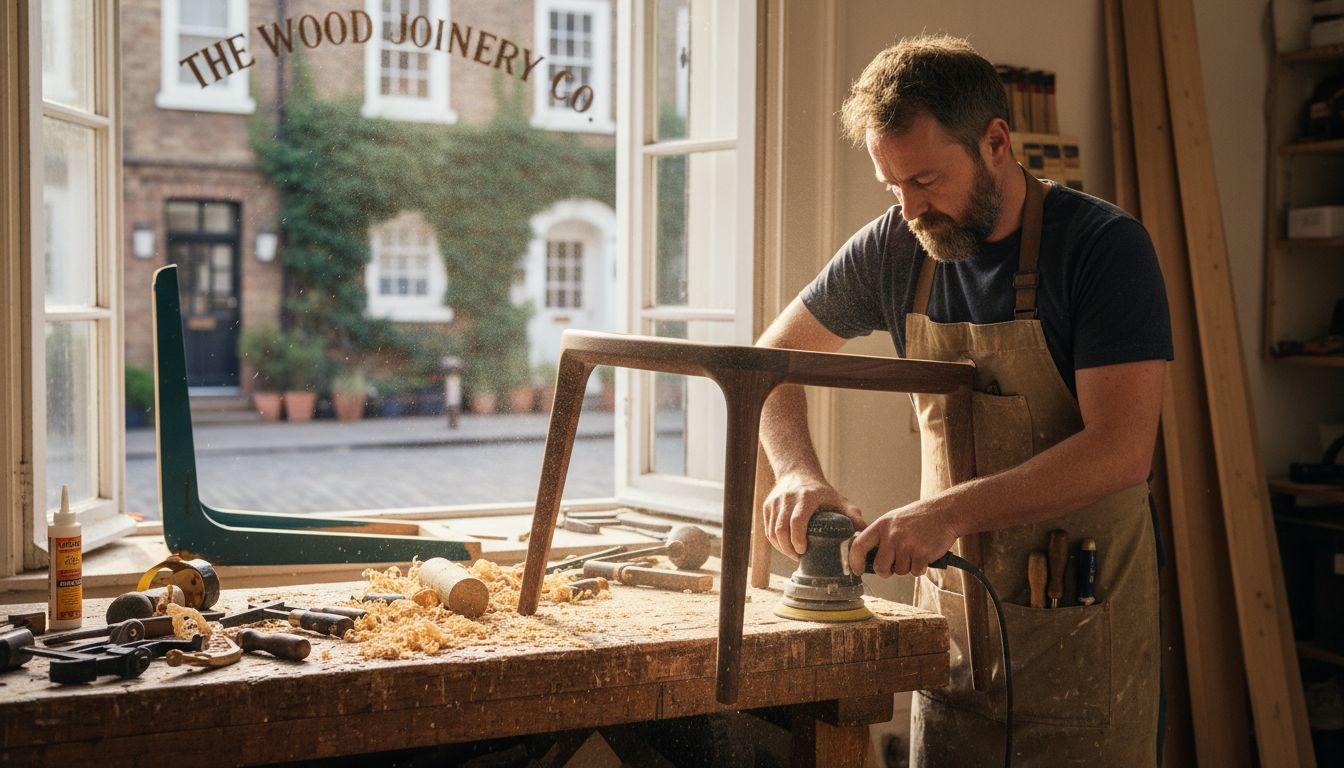
Materials play a crucial role in defining a designer chair’s character, with designers selecting components that balance visual elegance and functional performance. Wood, fiberglass, aluminum, and advanced textile upholstery offer unique properties, allowing for remarkable versatility in design expression and structural integrity.
Here is a comparison of designer chair materials and their unique advantages:
| Material | Visual Impact | Durability | Design Flexibility |
|---|---|---|---|
| Wood | Warm, traditional look | Long-lasting, robust | Classic to modern |
| Aluminium | Sleek, industrial style | Resistant to wear | Lightweight, malleable |
| Fibreglass | Contemporary aesthetic | High tensile strength | Moulds artistic forms |
| Textile Upholstery | Varied textures, colours | Depends on quality | Customisable finishes |
The manufacturing process behind these chairs blends traditional craftsmanship with cutting-edge industrial techniques, creating pieces that are simultaneously works of art and precision-engineered objects. Each chair tells a story of design philosophy, technological innovation, and human-centric approach to furniture creation.
Pro tip: Examine a designer chair’s material composition and construction details to truly appreciate its artistic and functional sophistication.
How Designer Chairs Enhance Interiors
Designer chairs are transformative elements that do far more than simply provide seating. Interior design focal points can dramatically elevate a space’s aesthetic and functional qualities, serving as sophisticated visual anchors that communicate personal style and design sensibility.
The primary ways designer chairs enhance interior spaces include:
- Visual Storytelling: Creating narrative elements within room compositions
- Spatial Definition: Establishing distinct zones and visual boundaries
- Artistic Expression: Adding sculptural elements that reflect personal taste
- Ergonomic Sophistication: Improving comfort and supporting proper postural alignment
Beyond their immediate visual impact, designer chairs function as strategic design elements that can harmonise with or deliberately contrast existing décor. Their carefully considered forms, materials, and proportions allow them to integrate seamlessly into diverse interior styles, from minimalist contemporary spaces to richly detailed traditional environments.
This table summarises how key designer chair types contribute to interior spaces:
| Chair Type | Interior Role | Typical Setting |
|---|---|---|
| Classic Modernist | Timeless sophistication | Executive offices, lounges |
| Sculptural | Visual centrepiece | Art galleries, living rooms |
| Minimalist | Enhances spatial clarity | Contemporary homes, studios |
| Ergonomic | Supports comfort and health | Workspaces, home offices |
By selecting designer chairs thoughtfully, homeowners can transform ordinary rooms into curated, intentional spaces that reflect individual personality and design sophistication. These pieces transcend mere furniture, becoming conversational art that captures attention and tells a unique design story.
Pro tip: Select designer chairs that not only complement your existing interior but also introduce an element of unexpected visual intrigue.
Cost, Value, and Investment Insights
Designer chairs represent far more than simple furniture purchases; they are sophisticated financial investments with potential long-term value appreciation. Design chair valuation reveals complex economic dynamics that distinguish these pieces from standard retail furniture.
Key investment characteristics of designer chairs include:
- Appreciating Asset Potential: Rare and iconic chairs can increase in monetary value over time
- Cultural Capital: Pieces that represent significant design movements or historic innovations
- Craftsmanship Quality: Superior construction that ensures durability and collector interest
- Limited Production: Restricted manufacturing runs that enhance collectibility
The pricing of designer chairs reflects multiple sophisticated factors beyond basic manufacturing costs. Considerations such as designer reputation, material complexity, production techniques, and historical significance all contribute to their substantial price points. These chairs are essentially functional sculptures that combine artistic expression with practical utility.
Collectors and design enthusiasts understand that truly exceptional designer chairs transcend mere furniture, becoming tangible representations of design philosophy and cultural moments. Their value lies not just in physical attributes, but in the narrative and innovation they represent within broader design conversations.
Pro tip: Research the provenance and design history of potential designer chair investments to understand their true long-term value and appreciation potential.
Discover Designer Chairs That Define Your Style and Comfort
Choosing the right designer chair is more than just a purchase it is an investment in quality craftsmanship, timeless style, and ergonomic excellence. If you have been seeking the perfect balance between artistic expression and functional comfort, you will appreciate how our curated selection at Wish Interiors caters specifically to these needs. From meticulously engineered seating to pieces that tell a cultural story, our collection brings together the very best in luxury furniture designed to enhance your living space.
Elevate your interiors today by exploring designer chairs that not only resonate with your personal aesthetic but also provide enduring comfort. Visit Wish Interiors now and choose from bespoke designs that combine material sophistication with ergonomic innovation. Do not wait to transform your home into a sanctuary of exceptional style and functionality.
Frequently Asked Questions
What defines a designer chair?
A designer chair is distinguished by its aesthetic excellence, craftsmanship, cultural narrative, and ergonomic design. These chairs balance artistic expression with practical comfort.
How do designer chairs enhance interior spaces?
Designer chairs serve as visual storytelling elements, contributing to spatial definition, artistic expression, and ergonomic support, thereby transforming ordinary rooms into curated spaces that reflect personal style.
What materials are commonly used in designer chairs?
Designer chairs are crafted from a variety of materials, including wood, aluminium, fibreglass, and textile upholstery, each chosen for its durability, aesthetic appeal, and design flexibility.
Are designer chairs a good investment?
Yes, designer chairs can be appreciating assets, especially rare and iconic pieces. Their value can increase over time due to factors such as craftsmanship quality, cultural significance, and limited production runs.
Recommended
Sample Image Gallery


