





What Is Contemporary Decor and Its Luxury Impact
Every discerning British homeowner knows the challenge of designing a space that feels luxurious yet current. Contemporary decor stands apart as a style defined by simplicity, adaptability, and bold character, blending influences from Scandinavian design and postmodernism. With a renewed focus on thoughtful ornamentation, the trend now balances minimalism and select decorative elements, making bespoke furniture solutions a wise investment. Discover how contemporary interiors combine sophistication and practicality, transforming homes across the United Kingdom.
Table of Contents
- Defining Contemporary Decor In Modern Homes
- Essential Elements Of Contemporary Interiors
- Distinguishing Contemporary From Other Styles
- Luxury Trends And Bespoke Furniture Solutions
- Common Pitfalls In Contemporary Decorating
Key Takeaways
| Point | Details |
|---|---|
| Contemporary Decor Evolves | Contemporary design is dynamic and adapts to current trends, prioritising flexibility and personal interpretation over rigid historical styles. |
| Emphasis on Simplicity and Function | This style merges minimalist principles with high-quality craftsmanship, favouring clean lines, neutral palettes, and functional furniture. |
| Avoid Overcrowding | Contemporary design thrives on space; overcrowding with furniture or decor undermines its aesthetic and functionality. |
| Invest in Bespoke Pieces | Bespoke furniture solutions align with contemporary values, offering tailored design that reflects personal taste while ensuring longevity and quality. |
Defining Contemporary Decor in Modern Homes
Contemporary decor represents a living, breathing approach to interior design that shifts with current tastes and cultural influences. Unlike fixed historical styles that remain static, contemporary design evolves continuously, absorbing new trends whilst discarding those that no longer resonate. This fluidity makes it distinctly different from “modern” design, which refers to a specific period from the early-to-mid 20th century. When you choose contemporary decor, you’re selecting an aesthetic that speaks to how people actually live today: with less clutter, more functionality, and spaces that adapt to changing needs.
At its core, contemporary interior design emphasises simplicity without sacrificing character. The style draws from multiple design influences, blending elements of minimalism, Scandinavian design, and postmodernism into cohesive living spaces. Rather than strict rules, contemporary decor offers flexibility. You’ll notice it prioritises clean lines, neutral colour palettes, and natural light as foundational elements. However, contemporary decorative elements have made a notable comeback in recent years. Architects and designers have rediscovered the value of thoughtful ornamentation, proving that minimalism and selective decoration can coexist beautifully.
Key characteristics that define contemporary spaces include:
- Neutral base colours such as whites, greys, beiges, and soft taupès, allowing flexibility for accent pieces
- Natural materials like timber, stone, and metal that age gracefully and feel authentic
- Functional modern furniture designed for purpose, with clean silhouettes and zero unnecessary detailing
- Abundance of natural light maximised through large windows, skylights, or glass partitions
- Strategic use of texture through layering fabrics, finishes, and tactile elements rather than bold patterns
- Open-plan layouts that promote flow and connection between living spaces
- Curated art and accessories selected thoughtfully rather than filling every surface
What makes contemporary decor particularly appealing to affluent British homeowners is its ability to feel both sophisticated and lived-in. A contemporary space invites you to actually use it, rather than treat it as a showroom. This approach pairs beautifully with bespoke furniture pieces that reflect your individual taste whilst maintaining the clean aesthetic the style demands. The luxury aspect emerges not from opulence or excess, but from quality materials, expert craftsmanship, and thoughtful design that rewards you daily.
Contemporary decor succeeds because it balances restraint with personality—offering enough structure to feel intentional without imposing rigid design rules.
The distinction between contemporary and other modern styles matters when you’re making investment decisions. Contemporary remains adaptable across different property types, from Edwardian townhouses in London to converted warehouses in Manchester. This versatility means your design choices won’t feel dated in five years or clash with original architectural features. Contemporary design evolves fluidly, absorbing new materials, colour trends, and influences as they emerge, yet maintains its core principles of simplicity and functionality.
Understanding contemporary decor also helps you evaluate bespoke furniture solutions more effectively. When commissioning custom pieces, you’ll want them to honour the contemporary philosophy: purposeful design, quality execution, and timeless appeal. This means avoiding trendy flourishes that will feel dated quickly, whilst ensuring pieces genuinely improve how you live in your home.
Pro tip: Start your contemporary redesign by identifying three spaces that feel cluttered or lack purpose, then focus on creating one fully realised contemporary room as your anchor piece before expanding the concept throughout your home.
Essential Elements of Contemporary Interiors
Building a genuinely contemporary interior requires understanding the core components that make the style work. These aren’t arbitrary choices—they’re carefully considered decisions that balance aesthetics with livability. Contemporary interiors share consistent foundational elements that define their character, yet remain flexible enough to reflect personal taste and regional context. When affluent British homeowners commission bespoke furniture or undertake interior redesigns, understanding these essential elements ensures every piece serves both form and function.
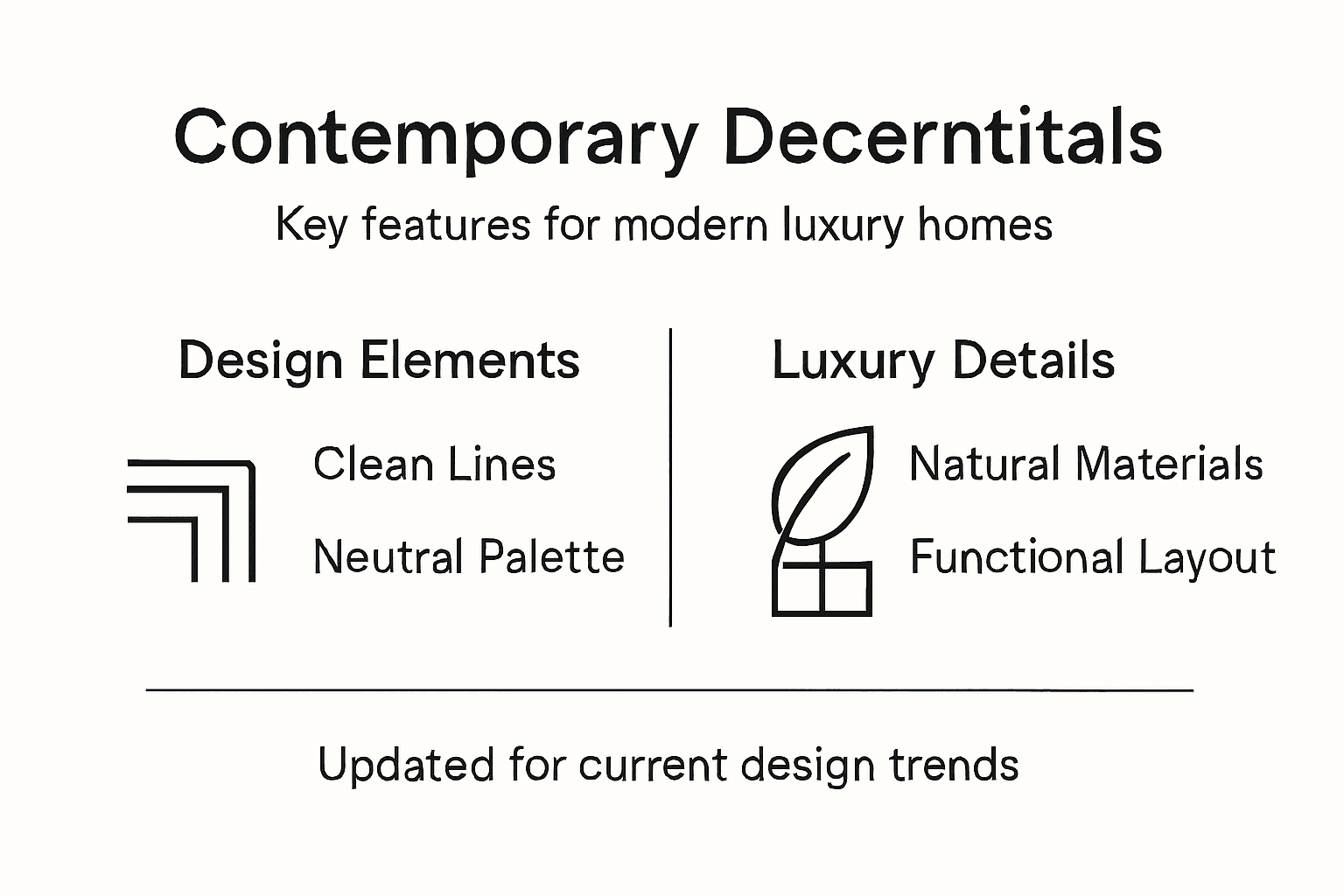
The backbone of contemporary interiors rests on minimalist principles and high-quality craftsmanship. Rather than filling spaces with numerous items, contemporary design favours carefully selected pieces that showcase excellent construction and materials. Minimalist furniture emphasises clean lines, purposeful design, and the absence of unnecessary ornamentation. This approach doesn’t mean stark emptiness—it means every element earns its place. Natural light amplifies this philosophy, creating an environment where quality materials, textures, and thoughtful spacing become the focal points rather than decorative excess.
Key structural elements that define contemporary spaces include:
- Built-in storage solutions that hide clutter and maintain visual calm throughout the home
- Clean, uncluttered lines in furniture, architectural details, and spatial organisation
- Natural materials such as timber, stone, concrete, and metals that age beautifully over time
- Neutral base palettes (whites, greys, blacks, warm neutrals) that provide stability and flexibility
- Maximised natural light through strategic window placement, skylights, and glass partitions
- Harmonious blend of shapes and materials that creates visual interest without chaos
- Sustainable material choices that reflect both contemporary values and timeless quality
What distinguishes luxury contemporary interiors is the deliberate integration of cultural and environmental context. Rather than imposing a one-size-fits-all aesthetic, thoughtful contemporary design respects your home’s location, architectural heritage, and personal identity. A Mayfair townhouse speaks differently than a Scottish countryside estate, and contemporary design adapts accordingly. Contemporary interiors influenced by regional culture incorporate environmental characteristics and cultural motifs that feel authentic to their setting whilst maintaining modern functionality.
The most successful contemporary interiors balance restraint with personality, using quality materials and thoughtful curation to create spaces that feel both timeless and distinctly personal.
For bespoke furniture solutions, understanding these essential elements means commissioning pieces that genuinely complement your contemporary vision. A custom sofa, built-in cabinetry, or statement lighting fixture becomes more effective when it respects contemporary principles: purposeful design, superior materials, and visual simplicity. This is where investment in bespoke pieces differs dramatically from off-the-shelf furnishings. Bespoke contemporary furniture works harmoniously with your space’s architecture, your lifestyle, and your aesthetic preferences—rather than asking you to compromise.
The integration of these elements requires restraint and intention. You’re not simply removing decoration; you’re curating your environment. Every material choice, every piece of furniture, every colour decision contributes to a cohesive whole. This is precisely why contemporary design appeals to discerning homeowners: it respects your intelligence and your space.
Pro tip: Identify three elements in your home that violate contemporary principles (excessive clutter, mismatched materials, or unnecessary ornamentation), then replace or redesign one before tackling the others—this focused approach maintains momentum whilst preventing overwhelming change.
Distinguishing Contemporary from Other Styles
When affluent British homeowners begin reimagining their interiors, confusion often arises between contemporary design and other similar styles—particularly modern design. These terms sound interchangeable, but they represent fundamentally different approaches. Understanding the distinctions prevents costly mistakes when investing in bespoke furniture or commissioning interior redesigns. The differences matter because they dictate which pieces will age gracefully in your home and which will feel dated within a few years.
Modern design refers to a specific historical period spanning the early-to-mid 20th century, characterised by rigid principles and timeless restraint. Contemporary interior design differs from modern by being fluid, responsive to current trends, and continuously evolving. Modern design emphasises function above all else, with clean lines, neutral palettes, and minimal ornamentation as non-negotiable rules. Think of it as a fixed aesthetic frozen in time. Contemporary design, by contrast, is dynamic and ongoing. It incorporates whatever works today—whether that’s a sustainable material, a current colour trend, or a contemporary furniture form—while remaining rooted in principles of simplicity and quality.
Key distinctions between these styles include:
- Modern design is historically anchored to the early-to-mid 20th century; contemporary design reflects current trends and continuously evolves
- Modern follows strict principles focused on function and form; contemporary embraces flexibility and personal interpretation
- Modern uses a rigidly defined palette of neutral colours; contemporary adapts colour choices to current aesthetics whilst maintaining restraint
- Modern emphasises singular, pure materials; contemporary blends traditional and modern materials based on what suits your lifestyle
- Modern rarely incorporates ornamentation; contemporary selectively includes thoughtful decorative elements when they serve a purpose
- Modern design looks backward to a golden era; contemporary looks forward, absorbing new influences and ideas
Contemporary design’s defining characteristic is its openness to new ideas. Where modernism says “this is the one correct way,” contemporary design asks “what serves this space and this person best?” This flexibility is precisely why it appeals to discerning homeowners. You’re not confined to strict rules; you’re working within principles whilst maintaining the freedom to make choices that reflect your individual aesthetic and lifestyle.
Contemporary design succeeds because it balances established principles with flexibility, allowing your home to feel both timeless and distinctly current.
When commissioning bespoke furniture, this distinction becomes practical. A modern-style piece looks backward, referencing mid-century design language with almost archaeological precision. A contemporary piece engages with current materials, proportions, and construction techniques whilst respecting contemporary principles. This is why contemporary bespoke furniture often looks fresh rather than retro—it incorporates today’s innovations in manufacturing, sustainable materials, and design thinking rather than merely reproducing historical forms.
Other styles—Scandinavian, industrial, transitional—occupy their own territory entirely. Scandinavian design prioritises warmth and craftsmanship within minimalist frameworks. Industrial style celebrates raw materials and functional honesty but with intentional roughness. Transitional design bridges traditional and modern elements. Contemporary sits distinctly separate, defined not by a geographic origin or a specific historical moment, but by an ongoing responsiveness to how people actually live right now.
To clarify the differences between key interior styles, here is a concise comparison:
| Characteristic | Contemporary Design | Modern Design | Scandinavian Design |
|---|---|---|---|
| Approach | Adapts to current trends | Fixed to mid-20th century | Rooted in Nordic traditions |
| Colour Usage | Flexible neutral + accents | Strict neutral palettes | Soft, muted tones |
| Materials | Blends traditional and modern | Purist use of singular materials | Natural woods, simple fabrics |
| Ornamentation | Selective and purposeful | Minimal, rarely used | Minimalist, warmth-focused |
| Longevity | Evolves with lifestyle | Timeless but static | Timeless through simplicity |
The practical implication for your home is straightforward. If you’re drawn to contemporary design, you’re committing to spaces that will evolve gracefully as your tastes and needs change. Your bespoke investments serve as anchors—quality pieces that support whatever contemporary iteration feels right in five years’ time.
Pro tip: Before purchasing any significant piece, identify whether it’s moored to a specific historical period (modern, mid-century, vintage) or whether it embraces contemporary principles of quality and adaptability—this single question prevents investing in pieces that will eventually feel dated rather than timeless.
Luxury Trends and Bespoke Furniture Solutions
Contemporary luxury is undergoing a profound shift. The days of ostentatious excess have given way to a more refined approach: timeless elegance combined with sustainable practices. Today’s affluent British homeowners are investing in bespoke solutions that express individuality whilst respecting environmental responsibility. This evolution reflects deeper values around authenticity, longevity, and meaningful design rather than status symbols that depreciate quickly.
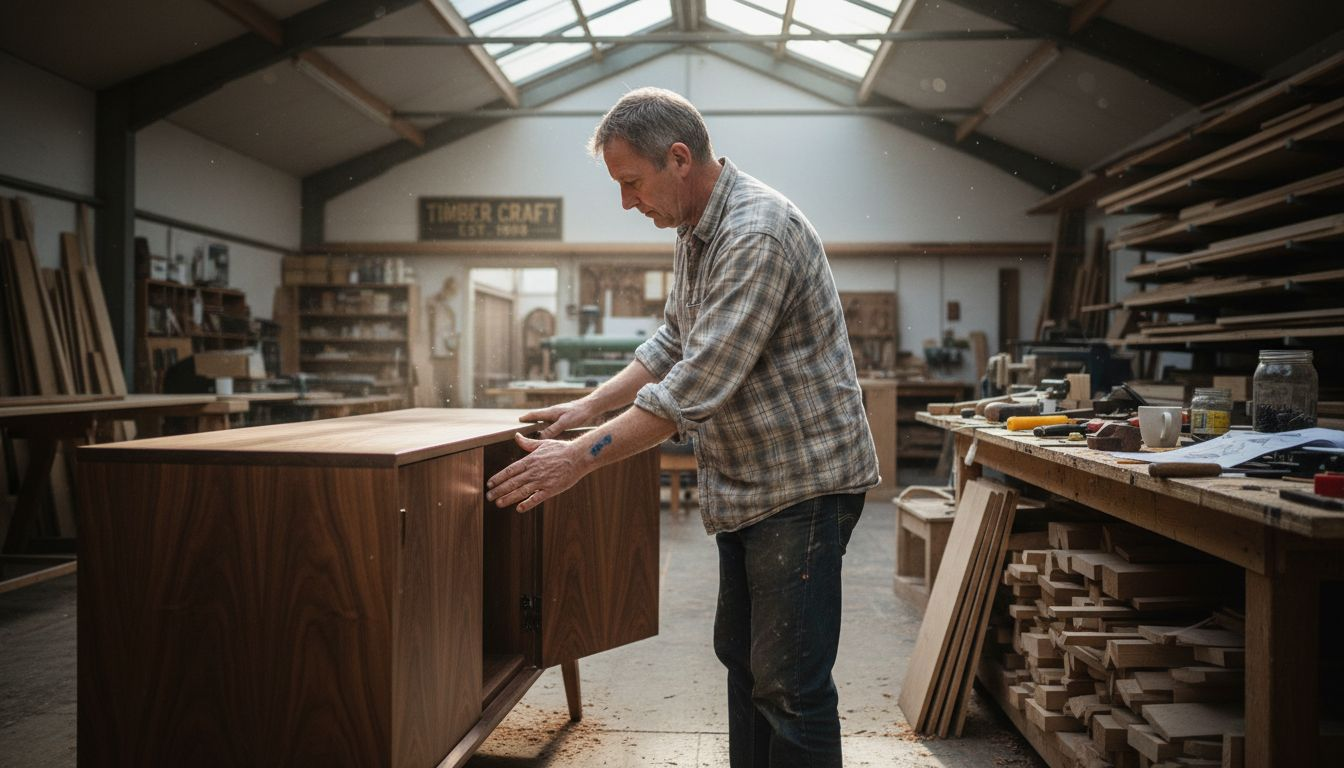
The luxury market increasingly embraces handcrafted details and classic materials alongside contemporary innovation. Marble, brass, and natural stone remain prized for their timeless beauty and ability to age gracefully. However, these traditional materials now pair with sustainable sourcing practices and contemporary design language. Sustainable luxury combines ecological responsibility with exclusivity, creating spaces that feel both luxurious and conscientious. This represents a fundamental shift from viewing luxury as purely aesthetic to viewing it as a holistic expression of values.
Current luxury trends defining contemporary interiors include:
- Bespoke furniture as the cornerstone of luxury, valued for craftsmanship and customisation possibilities
- Mixed metals and textures that add depth and visual interest without appearing chaotic
- Sustainable and eco-friendly materials selected for both performance and environmental integrity
- Curved furniture silhouettes that soften contemporary minimalism and add sculptural interest
- Smart home technology integration seamlessly woven into design rather than visually apparent
- Bold colour accents strategically deployed within neutral frameworks for dramatic effect
- Fusion of classic and contemporary aesthetics creating spaces that feel both rooted and current
Bespoke furniture stands at the centre of this luxury evolution. Unlike mass-produced pieces, bespoke solutions allow you to dictate every element: proportions, materials, finishes, and functionality. A custom sofa becomes not merely furniture but a considered response to your space’s architecture and your lifestyle. This level of personalisation is precisely what distinguishes luxury contemporary interiors from aspirational ones. When you commission bespoke pieces, you’re investing in exclusivity without sacrificing design integrity or environmental responsibility.
Luxury today means owning fewer, better things—pieces that reflect your individuality whilst maintaining timeless appeal and honest craftsmanship.
The intersection of technology and design represents another defining luxury trend. Smart home systems, integrated lighting controls, and climate management now operate invisibly, enhancing comfort without dominating the visual environment. Temperature-regulating fabrics, noise-dampening materials, and adaptive storage solutions prioritise livability. This isn’t luxury for appearance’s sake; it’s luxury that enhances daily existence. Bespoke furniture selection requires understanding how contemporary pieces can incorporate these technological layers seamlessly.
For affluent homeowners considering interior investment, the practical implication is clear: choose quality over quantity, sustainability over disposability, and customisation over conformity. A single bespoke sofa crafted from responsibly sourced materials and constructed to last decades outweighs ten mass-produced pieces that will require replacement in five years. This approach aligns contemporary luxury with genuine long-term value.
Here’s how bespoke furniture enhances contemporary interiors compared to off-the-shelf options:
| Feature | Bespoke Furniture | Off-the-Shelf Furniture |
|---|---|---|
| Customisation | Tailored to space and lifestyle | Limited size and finish options |
| Material Quality | Selectable, often premium | Standard, varies by manufacturer |
| Investment Value | Designed for longevity and trends | Prone to quicker dated appearance |
| Design Integration | Cohesive with architectural style | May clash with room aesthetics |
The mixing of metals—brass with stainless steel, copper with chrome—adds sophistication without appearing inconsistent. Contemporary luxury embraces this visual complexity when executed thoughtfully. Textural layering through fabrics, finishes, and materials creates richness that feels organic rather than overdone. A contemporary luxury space invites tactile engagement: smooth marble surfaces, soft linen upholstery, warm timber detailing, and lustrous metallic accents work together to create sensory depth.
Pro tip: When commissioning bespoke pieces, prioritise materials and craftsmanship over trendy aesthetics—request pieces designed for timeless appeal rather than current fashion, ensuring your investment remains relevant as luxury trends evolve.
Common Pitfalls in Contemporary Decorating
Contemporary design’s flexibility is simultaneously its greatest strength and its most common source of failure. Because the style doesn’t impose rigid rules, it invites mistakes that compromise both aesthetics and functionality. Affluent homeowners investing in bespoke furniture and interior redesigns often encounter predictable errors—ones that prove costly to correct after the fact. Understanding these pitfalls before you commit to design decisions protects your investment and ensures your contemporary space genuinely enhances your life.
The most frequent mistake in contemporary decorating is overcrowding spaces with furniture and accessories. Contemporary design demands breathing room; clutter undermines the entire philosophy. Many homeowners confuse simplicity with emptiness, then overcompensate by filling gaps with items that feel necessary but lack purpose. This happens particularly when transitioning from maximalist styles. Similarly, incorrect scale and proportion of furniture creates visual discord. A sofa that dominates a room or dining chairs too small for their table destroys spatial harmony. Before commissioning bespoke pieces, measure your spaces rigorously and understand proportional relationships. A custom sofa should relate appropriately to your room’s dimensions, not merely fill available space.
Common decorating mistakes to avoid include:
- Overcrowding rooms with excessive furniture, accessories, or artwork
- Misjudging furniture scale relative to room size and doorway dimensions
- Poor lighting design that fails to balance ambient, task, and accent lighting
- Neglecting functionality in favour of aesthetic considerations
- Over-reliance on current trends that will date quickly rather than endure
- Ignoring personal style to chase contemporary convention
- Overusing patterns or colours, particularly bold choices in small spaces
- Improper artwork placement or sizing relative to surrounding furniture
- Disregarding the room’s intended purpose when selecting materials and layouts
Lighting deserves particular attention. Contemporary spaces rely heavily on natural light, yet many homeowners fail to incorporate sufficient artificial lighting for evening use or darker months. Layered lighting—combining ambient, task, and accent sources—creates flexibility and visual depth. A room lit only by overhead fixtures feels flat and uninviting. Conversely, insufficient natural light in a contemporary space feels cold rather than serene. When designing bespoke joinery or furniture placement, consider how lighting will interact with these elements throughout the day.
The difference between contemporary design that works and contemporary design that disappoints often comes down to restraint—knowing what to leave out rather than what to include.
Another critical error involves abandoning personal preference in pursuit of contemporary convention. Yes, contemporary design emphasises neutral palettes and minimal ornamentation, but this framework accommodates considerable personalisation. If you dislike grey, don’t force it into your home because it’s “contemporary.” Thoughtful planning and measurement ensure spaces function well and reflect your actual lifestyle. A contemporary room that feels like a showroom rather than a home is a failed contemporary space.
Functionality often suffers when aesthetics take precedence. A beautiful storage system that doesn’t accommodate your actual belongings creates stress. Bespoke furniture solutions should solve practical problems while maintaining visual elegance. Before commissioning pieces, honestly assess how you live: where do you need storage, which surfaces require durability, which areas need flexibility for different activities?
Trend-chasing represents perhaps the most expensive contemporary pitfall. Current trends—specific colour palettes, particular finishes, fashionable material combinations—shift continuously. Bespoke furniture represents significant investment; it should transcend trend cycles. When selecting materials and design language, prioritise pieces that will feel relevant in five years, not just this season.
Pro tip: Before finalising any bespoke furniture commission, photograph similar spaces that inspire you, then analyse why those rooms work—which elements do they prioritise, what are their proportions, how do they handle scale?—rather than simply copying aesthetic details.
Elevate Your Home with Bespoke Contemporary Luxury Furniture
Struggling to balance timeless elegance with modern functionality in your home? The challenge of achieving true contemporary decor requires more than just selecting neutral colours and minimalist pieces. It demands bespoke furniture solutions that embody purposeful design, quality craftsmanship, and adaptability to evolving trends — just as the article highlights. At Wish Interiors, we understand how overwhelming it can be to avoid common pitfalls such as overcrowding, scale mismatches, or trend-chasing when investing in luxury furnishings.
Discover how our curated collection of on-trend luxury furniture and custom bespoke pieces can transform your space into a sophisticated yet lived-in sanctuary. We focus on sustainably sourced materials, seamless integration with your architectural style, and designs that will age gracefully as your tastes evolve. Start your contemporary redesign journey with confidence and expert guidance by visiting Wish Interiors today. Explore the artistry of bespoke furniture that aligns perfectly with contemporary principles and bring your dream interiors to life.
Frequently Asked Questions
What are the key characteristics of contemporary decor?
Contemporary decor emphasises simplicity, clean lines, neutral colour palettes, natural materials, and functional modern furniture. It often features open-plan layouts and strategic use of texture, focusing on quality rather than quantity.
How does contemporary decor differ from modern design?
Contemporary decor reflects current trends and evolves continuously, while modern design is rooted in a specific historical period, characterised by fixed principles and aesthetics from the early to mid-20th century.
What are some common mistakes to avoid when decorating in a contemporary style?
Common mistakes include overcrowding spaces with furniture, misjudging furniture scale, neglecting proper lighting design, and chasing trends without considering timelessness and personal preference.
How can bespoke furniture enhance contemporary interiors?
Bespoke furniture allows for tailored solutions that integrate seamlessly with the architectural style of your home and reflect your personal aesthetic. This custom approach prioritises quality materials and timeless design, ensuring that pieces are not only functional but also align with contemporary principles.
Recommended
Sample Image Gallery


